EfficientlyManagingSwimmingLessonGroupsatSmallSwimmingSchools
Summary
- Clear communication and flexibility ensure smooth lesson flow and satisfaction.
- Digital tracking enables tailored lessons by monitoring progress and skills.
- Scheduling software simplifies planning and improves parent communication.
Efficiently managing swimming lesson groups is an important focus for small swimming schools. Good organization ensures a smooth flow of lessons and contributes to the quality of swimming education.
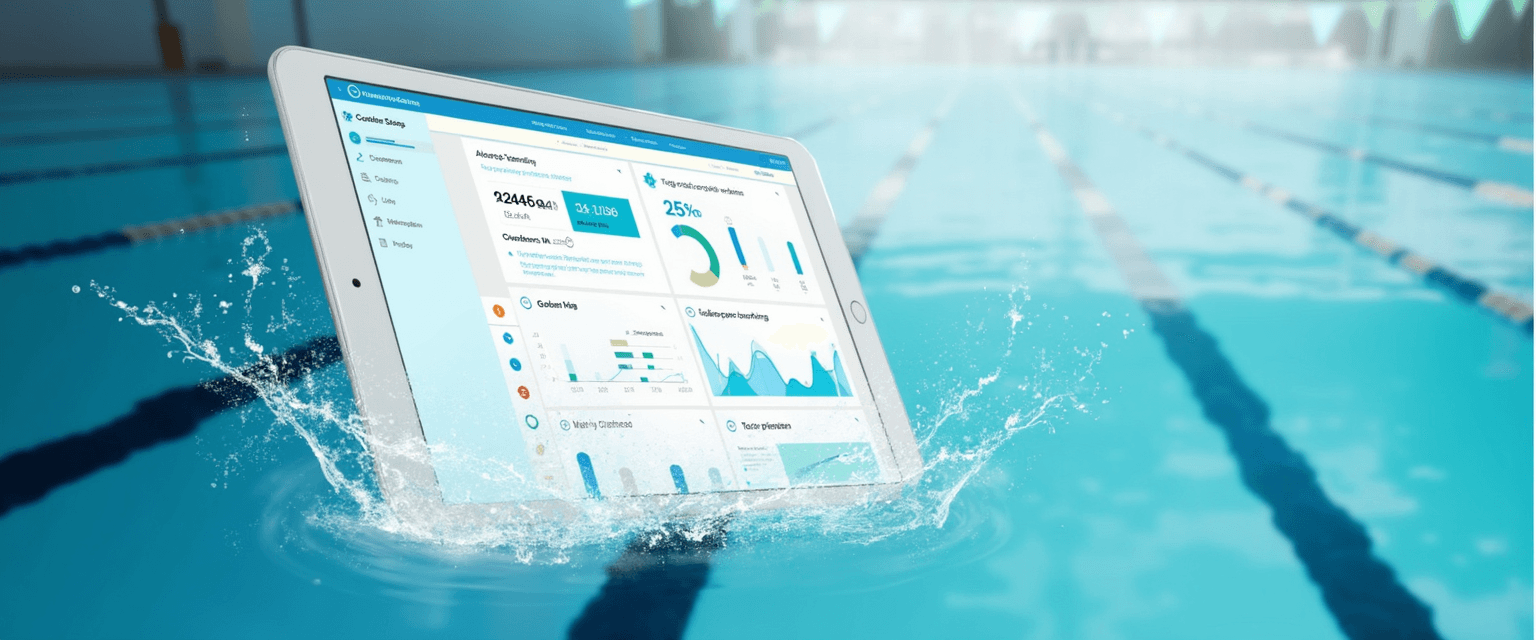
In this article, we discuss how swimming lesson scheduling and the use of a digital tracking system can help in organizing and monitoring groups. Additionally, we cover practical aspects such as tracking swimming lesson progress and communicating with parents.
The information provides insight into optimizing group management and improving daily organization within small swimming schools.
1. Advantages of Good Group Management
In this chapter, we discuss why swimming groups are essential for small swimming schools. We look at how efficient group management contributes to a smooth flow of lessons. Additionally, we explain the impact this has on the quality of swimming lessons.
Why Swimming Groups Are Important
Swimming groups form the foundation of a structured swimming lesson. They ensure that students receive lessons together at an appropriate level. This promotes motivation and the learning process of the swimmers. Additionally, it helps instructors to teach more effectively.
By forming groups based on skills and age, a clear structure emerges. This makes it easier to track the progress of each group. Swimmers can thus make progress at their own pace. A good group division also prevents swimmers from feeling lost in groups that are too large or too diverse.
Efficiency in Small Swimming Schools
For small swimming schools, efficiency in group management is especially important. With limited resources and staff, it is essential to make optimal use of the available time. A clear group division prevents unnecessary confusion and saves time in lesson preparation.
Efficient group management makes it possible to quickly adapt to changes, such as new registrations or cancellations. This ensures stable scheduling and less administrative pressure. Small swimming schools can better utilize their capacity and keep the organization running smoothly. This contributes to a professional appearance towards parents and swimmers.
Impact on Lesson Quality
The quality of swimming lessons is directly influenced by how well the groups are managed. When swimmers are in appropriate groups, instructors can better respond to individual needs. This increases the effectiveness of the lessons and the enjoyment of learning.
Good group management also provides calm and overview during the lesson. Instructors can better focus on giving attention and feedback. This leads to better guidance and faster progress for the swimmers. Thus, a well-thought-out group division contributes to a positive swimming experience for everyone.
What is Zwemlesmaatje?
Swimmigo is an independent app that allows you to track, assess, and celebrate swimming progress, whether you are a parent, adult swimmer, or instructor. You are not dependent on the swimming school but keep control yourself.
For parents, the app offers a clear learning path of 7 levels (from Red to Gold) with 86 exercises. You assess each exercise with a simple scoring system (0 to 6) and receive a personal swimming certificate for each achieved level. This way, you can see at a glance where your child stands and what still needs work.
Adults who want to learn (better) swimming use Zwemlesmaatje discreetly and without group pressure. The app provides structure, breaks the learning process into manageable steps, and helps overcome insecurity. You train at your own pace, whenever it suits you.
Swimming schools and instructors use Swimmigo completely free as a digital system for student administration, schedules, and progress. Parents see their child's development in real-time, without you having to do any extra work. A handy Marketing Toolbox also helps you create professional flyers, social media posts, and certificates.
2. Effectively Organizing Swimming Groups
Organizing swimming groups requires clear criteria and a good balance in skills. Age and group size play an important role. In this chapter, you will read how to apply these factors effectively.
Criteria for Group Assignment
When assigning swimmers to groups, it is important to look at their swimming skills. This prevents beginners from ending up in too advanced groups. Additionally, it helps to closely monitor the progress of each swimmer. This allows the instructor to teach purposefully and keep motivation high.
A practical example is using a short intake or observation during the first lessons. This quickly determines the level of each swimmer. This prevents swimmers from progressing too quickly or too slowly. It is also useful to regularly evaluate and adjust groups where necessary.
Balance in Skill Levels
A good balance in skill levels within a group creates a pleasant learning environment. Swimmers learn from each other and do not feel too insecure or bored. It is wise to compose groups so that the differences in level are not too large. This makes teaching more efficient and effective.
For example, in a group with beginner swimmers, the difference between someone just starting and someone with some experience can be large. By placing these swimmers separately, everyone gets the attention they need. This promotes progress and enjoyment in the swimming lesson.
Age and Group Size
Age is a practical factor when organizing swimming groups. Children of similar age often share the same motor development and concentration ability. This makes it easier to create a tailored lesson program. At the same time, it is important to keep an eye on group size.
A group that is too large can reduce the instructor's attention. Small swimming schools often have limited space and staff, so an optimal group size is essential. For example, groups of six to eight swimmers are often manageable and offer sufficient personal attention.
3. Use of Swimming Lesson Planning Software
In this chapter, we discuss the main features of swimming lesson planning software. We explain the benefits this software offers for small swimming schools. Additionally, we cover how good integration with student tracking systems simplifies management.
Which Features Are Useful
Swimming lesson planning software often includes features such as schedule management, automatic reminders, and group division.
With these tools, small swimming schools can easily schedule lessons and make changes.
Some systems also offer the possibility to link instructor availability and pool times.
An example is automatically sending emails to parents when schedules change, simplifying communication.
Benefits for Small Schools
For small swimming schools, planning software means significant time savings.
Clear dashboards make it easy to manage groups and lessons without much administrative hassle.
It also prevents errors in scheduling, such as double bookings or overcrowded groups.
This allows instructors to focus better on lesson content and swimming quality.
Integration with Student Tracking System
Good integration with a student tracking system provides a complete picture of each swimmer.
Lesson planning and progress are linked, allowing quick and targeted adjustments to groups.
This makes it possible, for example, to schedule swimmers with similar levels together.
It also helps in giving targeted feedback to parents and tracking diploma progress.
4. Monitoring Swimming Lesson Progress
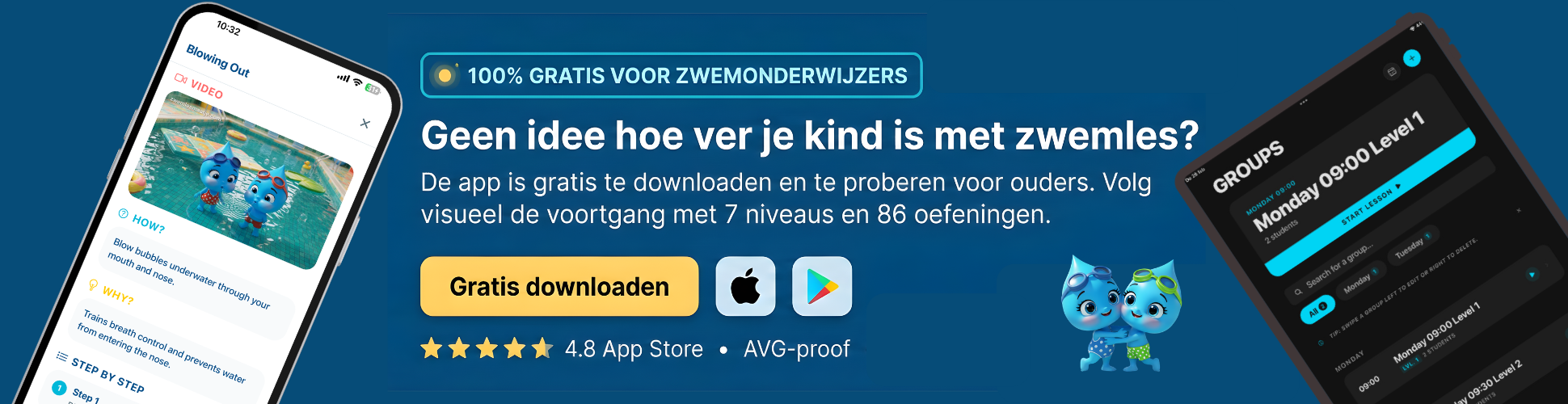
Monitoring swimming lesson progress is essential for effective group management.
This chapter covers tracking individual results, giving targeted feedback to parents, and adjusting groups and lessons based on progress.
This creates a clear overview with which small swimming schools can better tailor their lessons.
Tracking Individual Results
Systematically recording each swimmer's performance helps make progress visible.
By digitally recording skills and earned diplomas, an up-to-date overview per student is created.
This makes it easier to follow swimmers and see where extra attention is needed.
A practical example is noting the date when a swimmer masters a certain technique, so it can be quickly found later.
Giving Feedback to Parents
Regular and clear communication with parents strengthens trust in the swimming process.
By sharing progress reports or short updates, parents know exactly how their child is developing.
This can be done via digital platforms or during short conversations after the lesson.
An example is sending an overview with achieved skills and tips for practicing at home, which increases involvement.
Adjusting Groups and Lessons
Based on progress information, groups and lessons can be adjusted to better meet swimmers' needs.
If a student progresses faster, they can be moved to an advanced group.
The lesson program can also be adjusted to focus more on techniques that require extra practice.
This ensures more efficient lesson organization and better learning outcomes.
5. Practical Tips for Daily Management
Good daily management of swimming lesson groups requires clear communication, flexibility in scheduling, and quick problem-solving.
These three aspects ensure a smooth flow of lessons and satisfaction among teachers and parents.
The following paragraphs provide practical tips to apply these points effectively.
Communication with Teachers
Regular and clear communication with teachers is essential for managing swimming lesson groups.
Use fixed moments to discuss lesson arrangements and changes, for example via a weekly short meeting or a digital group chat.
This way, all instructors stay informed about schedule changes and special attention points per group.
It also helps to collect feedback from teachers so you can quickly respond to practical needs or improvements.
Keep Planning Flexible
Flexible planning makes it possible to respond to unexpected circumstances such as illness or changes in group size.
Keep space in the schedule for possible adjustments and communicate these in time with teachers and parents.
Use digital tools to keep the planning clear and to be able to change quickly.
This prevents lessons from being canceled and maintains the continuity of swimming education.
Address Problems Quickly
Problems that arise during teaching deserve a quick and targeted approach.
Establish a clear protocol for reporting and solving issues, such as teacher absences or conflicts within groups.
Involve those concerned directly in finding a solution and keep parents informed about important changes.
By acting quickly, lesson quality remains high and disruptions are limited.

Summary
Summary of Effective Swimming Lesson Management with a Digital Tracking System
Good management of swimming lesson groups requires clear communication, flexibility, and quick problem-solving. These elements ensure a smooth flow of lessons and satisfaction among teachers and parents.
Regular communication with instructors is essential. Fixed moments such as weekly meetings or digital chats keep everyone informed about schedule changes and special attention points.
Monitoring swimming lesson progress helps to track individual results and adjust lessons. This creates an overview with which small swimming schools can better tailor their lessons.
Systematically recording performance makes progress visible. By digitally recording skills and diplomas, it is easy to see where extra attention is needed.
Why a Digital Tracking System Helps
Swimming lesson planning software offers features such as schedule management, automatic reminders, and group division. This simplifies planning and adjusting lessons for small swimming schools.
Integration with a digital tracking system makes it possible to link instructor availability and pool times. Automatic communication to parents improves information provision.
Organizing swimming groups based on skills and age ensures a good balance. This prevents beginners from ending up in too advanced groups and keeps motivation high.
A student tracking system supports regularly evaluating and adjusting groups. This contributes to a structured swimming lesson and better progress for each swimmer.
Dear reader, this blog post was about efficiently managing swimming lesson groups at small swimming schools.
We would love to hear if you have experience organizing swimming lessons and invite you to leave a comment.
You can try Swimmigo for free via https://swimmigo.com. We hope it can support you in managing your swimming lessons.

Bob van Soest
As an expert in operating sports facilities (such as swimming pools) and developer of, among others, Swimmigo.com, I am passionately committed to making swimming lessons simpler, more fun and more insightful for parents, swimming instructors and everyone who wants to learn to swim.
Frequently Asked Questions
Related articles

Planning a Swimming Lesson Event for Different Groups
Tips for successful organization of swimming lesson events for multiple swimming groups.
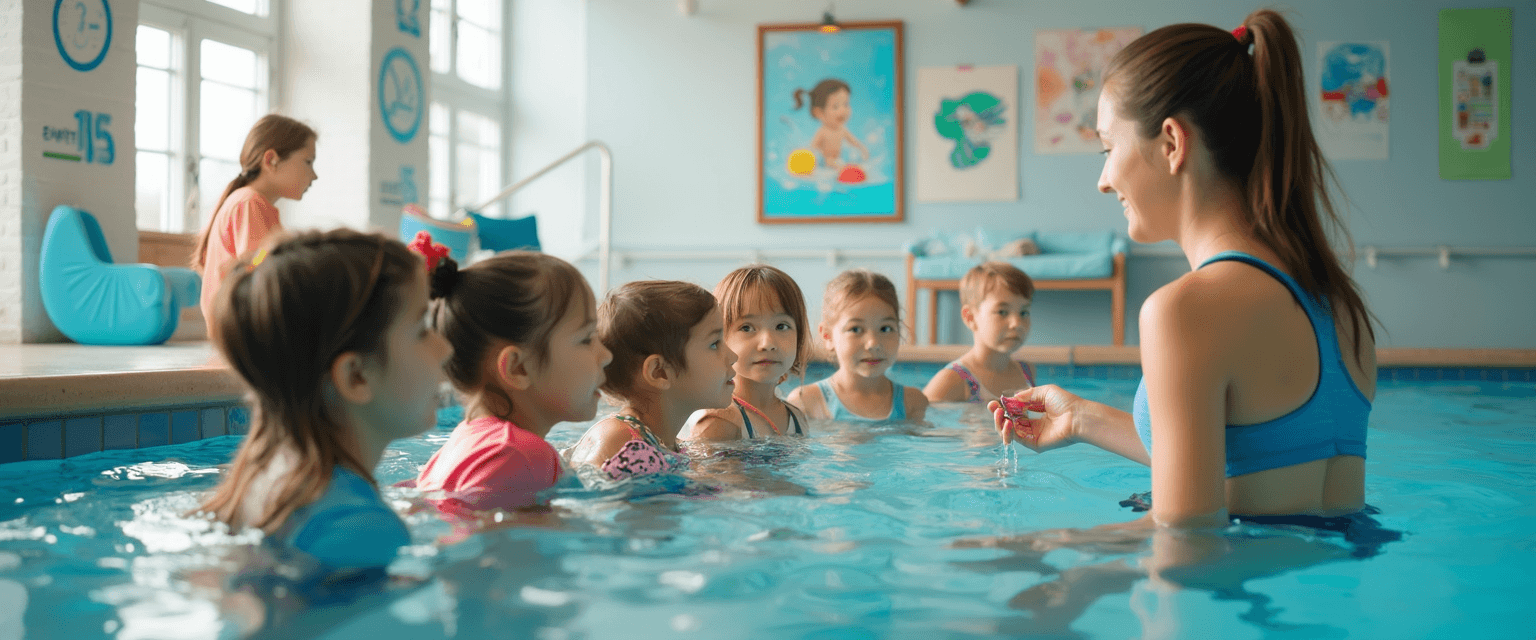
Efficiently Distributing Swimming Lesson Groups Among Instructors
Discover practical tips to effectively organize swimming lesson groups and optimally deploy instructors.

Efficiently Composing Swimming Lesson Groups by Level
Learn how to effectively divide swimming groups by swimming lesson level for better progress and overview.
Discover Swimmigo
The all-in-one app for swimming lesson progress. For parents, swim schools, and adult swimmers.