Dividing swimming lesson groups efficiently among instructors
Summary
- Good group composition prevents overload and promotes appropriate swimming instruction.
- A digital tracking system automates group allocation and prevents double bookings.
- Competency-based task distribution improves collaboration and balances instructor workload.
The most efficient approach is to divide groups based on age, swimming ability and group size, and to use digital planning tools to optimize learning outcomes and achieve a balanced workload. This creates a structured and effective swimming lesson process for swim schools and instructors.
It also covers how instructors can split their tasks and how feedback helps improve group composition. That gives a clear picture of the steps for a practical, workable approach.
1. Importance of good group allocation
A good distribution of swimming lesson groups across instructors is essential for lessons to run smoothly. In this chapter you read why group composition matters, how it affects learning outcomes and how instructor workload can be controlled. This gives you a clear and effective lesson process.
Why group composition matters
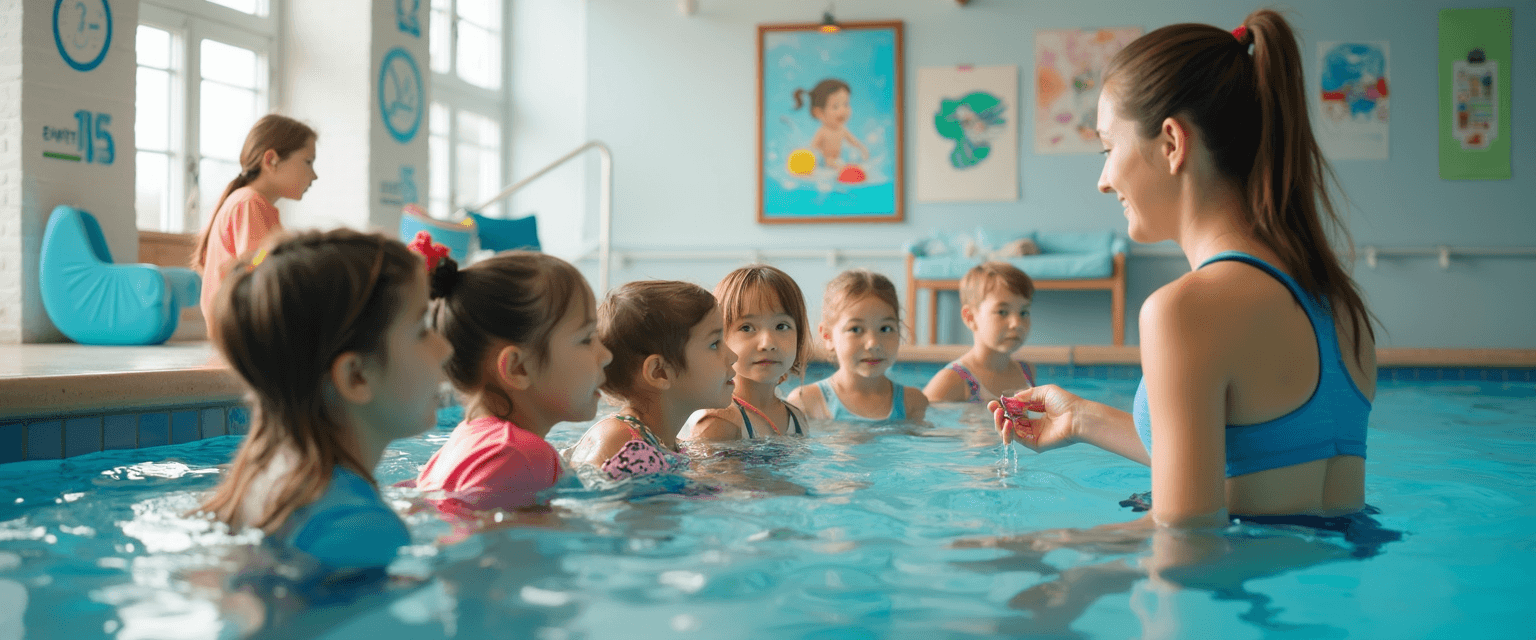
The way swimming groups are composed directly affects how lessons progress. A good group setup ensures children receive appropriate guidance. This increases engagement and enjoyment while swimming. It also prevents instructors from becoming overloaded due to an uneven distribution.
An efficient group composition takes several factors into account, such as the number of students and the available instructors. That results in a balanced distribution that supports teaching. This contributes to a pleasant atmosphere for both children and instructors.
Effect on learning outcomes
Swimmers' learning outcomes improve when groups are well composed and instructors can distribute their attention effectively. Children then receive the right guidance at their level. This stimulates their development and confidence in the water. Instructors can also respond better to individual needs within the group.
A balanced group composition prevents some children from receiving too little attention. This contributes to even progress across the lessons. That way the learning process is used optimally for everyone.
Controlling instructor workload
Managing instructor workload is crucial to maintain quality. By distributing groups evenly, swim schools prevent instructors from becoming overburdened. This helps reduce fatigue and stress. Instructors can therefore concentrate better on teaching.
A good balance in workload also leads to more job satisfaction and less absenteeism. This benefits the continuity of the swimming lessons. That way the quality of the swimming education remains high.
What is Swimmigo?
Swimmigo is an independent app that lets you track, assess and celebrate swimming progress, whether you are a parent, adult swimmer or instructor. You are not dependent on the swim school, you keep control yourself.
For parents the app provides a clear learning path of 7 levels (from Red to Gold) with 86 exercises. You score each exercise with a simple scoring system (0 to 6) and receive a personal swimming certificate for each completed level. That way you see at a glance where your child stands and what still needs work.
Adults who want to learn to swim, or improve use Swimmigo discreetly and without group pressure. The app offers structure, breaks the learning process into manageable steps and helps overcome insecurity. You train at your own pace, when it suits you.
Swim schools and instructors use Swimmigo completely free as a digital system for student administration, schedules and progress. Parents see their child's development in real time, without extra work for you. A handy Marketing Toolbox also helps you create professional flyers, social media posts and certificates.
2. Criteria for grouping
When composing swimming lesson groups it is important to consider several criteria. Age and swimming ability form the basis for an appropriate group composition. In addition, the number of children per group and special considerations play a role in keeping lessons smooth and effective.
Age and level
The age of the children is an important criterion when forming groups. Young children often have different needs than older children, for example regarding concentration and motor development.
Swimming level also determines how groups are best composed. Beginners need more individual attention than advanced swimmers. By combining age and level, a balanced group emerges where children can learn at their own pace.
A practical example is combining children aged 5 to 7 who have similar swimming skills. This allows instructors to give targeted exercises that match the group.
Number of children per group
The number of children per group affects the quality of the lesson. Too large groups can lead to less personal attention and reduced safety.
An ideal group size depends on the instructor's experience and the children's age. For young or beginner swimmers a smaller group is often better.
For example, a group of a maximum of 6 children per instructor provides sufficient guidance and overview. This promotes learning outcomes and keeps the atmosphere calm.
Special considerations
Special considerations can influence group composition. Think of children who are afraid of the water, have motor limitations or need extra guidance.
These children deserve an adapted approach and sometimes a smaller group. That gives them space to progress at their own pace.
The group's composition can also be important, for example avoiding large differences in temperament or social skills. This contributes to a positive group dynamic.

3. Instructor task distribution
Here you read how instructors can best divide their tasks. We start by mapping their competencies. After that you read how tasks and roles are assigned and how collaboration and rotation between instructors work.
Mapping competencies
It is important to first map the competencies of each instructor. Think of experience, specializations and personal qualities such as patience or motivation. That way you know who fits best with which group or lesson format.
An example is one instructor who is good at guiding young children, while another excels at teaching advanced techniques. By mapping these skills you prevent tasks from being assigned randomly.
It also helps to regularly evaluate whether competencies still match the current groups. This makes it possible to adjust task distribution when necessary.
Assigning tasks and roles
After mapping competencies, assign tasks and roles. Consider group size, swimmer level and the instructors' strengths. That gives everyone a suitable role.
For example, one instructor may be responsible for technique training, while another focuses on motivating children who need extra attention. This creates a clear division of tasks and prevents overlap.
It is also useful to record tasks in writing, so everyone knows what is expected of them. This improves efficiency and lesson quality.
Rotation and collaboration
Rotation and collaboration between instructors are essential for lessons to run smoothly. By regularly rotating tasks, work stays varied and instructors can learn from each other.
Collaboration also promotes the exchange of knowledge and experiences. For example, an instructor can give tips on handling a specific group of children.
Good communication and an open attitude ensure rotations go smoothly. That way lesson quality remains high and instructors feel supported in their work.
Swimmigo · Swim lesson app
Free for parents
Follow your child's swimming progress, see where you stand and report absences in the app.


4. Tools for planning and organization
Good tools are indispensable for an efficient distribution of swimming lesson groups. Digital planning tools help make schedules clear and manage instructors. Communication systems also improve teamwork.
Software support
Planning software helps swim schools easily link groups and instructors. With a digital system you can enter lesson times, availability and instructors' specializations. This prevents double bookings and makes quick adjustments possible.
One example is using a calendar function where groups are automatically assigned based on criteria such as level and age. Some programs also provide reports on instructor workload, which helps maintain a balanced distribution of tasks. That keeps the overview, even with changing group sizes or lesson times.
Clear lesson schedules
Clear lesson schedules are essential for smooth planning. By sharing schedules digitally, instructors know exactly when and where they teach. This reduces misunderstandings and allows for better preparation.
A clear schedule shows not only times, but also group compositions and special considerations. For example, when a group needs extra support. Instructors can then tailor their approach to the group's specific needs.
Communication between teams
Good communication between instructors and management strengthens the organization. Digital platforms offer options for sharing messages, notes and feedback. This makes it possible to quickly exchange information about changes or specifics.
Using shared communication tools also promotes collaboration and mutual understanding. For example when passing on observations about students' progress. That way everyone stays informed and lesson quality can be continuously improved.
5. Evaluation and adjustment
Here you read how feedback from instructors helps improve group composition.
You learn how to adjust groups based on experience and results.
It also explains the importance of a continuous improvement cycle for an efficient task distribution.
Feedback from instructors
Instructors provide valuable insights about group composition and how lessons unfold.
Regular evaluation sessions create room to discuss bottlenecks and successes.
Open communication lets them indicate where groups could better match skills and needs.
That gives a realistic picture of workload and the effectiveness of the setup.
Adjusting group compositions
Based on feedback, group compositions can be adjusted to better meet lesson goals.
This may mean moving children to a group that better fits their level or learning style.
Group sizes can also be changed to optimize attention for each child.
It is important to plan these adjustments carefully and communicate them clearly to everyone involved.
Continuous improvement
Efficient group allocation requires a continuous process of evaluation and adjustment.
By regularly reflecting on results and experiences, improvements can be implemented.
This contributes to a better balance in workload and higher lesson quality.
That keeps the organization flexible and aligned with the needs of children and instructors.

Summary
Summary
A good group composition is essential for a smooth and effective swimming lesson process. It provides appropriate guidance and prevents instructors from becoming overloaded.
Age and swimming ability are important criteria when composing groups. This lets children learn at their own pace within a balanced group.
Why a digital tracking system helps
Instructors provide valuable feedback that helps improve group composition. Regular evaluations give a realistic view of workload and effectiveness.
Digital planning tools help make schedules clear and manage instructors. With a digital tracking system, groups can be automatically assigned based on level and age.
The system prevents double bookings and allows fast adjustments. Reports on instructor workload help maintain a balanced division of tasks.
By mapping instructors' competencies, tasks can be assigned purposefully. This prevents randomness and improves collaboration within the team.
You can try Swimmigo for free via https://swimmigo.com.
Thank you for your time and interest.
Sources

Bob van Soest
As an expert in operating sports facilities (such as swimming pools) and developer of, among others, Swimmigo.com, I am passionately committed to making swimming lessons simpler, more fun and more insightful for parents, swimming instructors and everyone who wants to learn to swim.
Frequently Asked Questions
Related articles

Planning a swimming lesson event for different groups
Tips for successfully organizing swimming lesson events for multiple swim groups.

Organising swim lesson groups effectively by level
Practical tips for organising swim lesson groups based on swimming levels and effective planning.
Managing swim lesson groups efficiently at small swim schools
Practical tips for organizing and tracking swim groups at small swim schools. A tracking system helps with group allocation and communication.
Discover Swimmigo
The all-in-one app for swimming lesson progress. For parents, swim schools, and adult swimmers.