Keeping track of swimming lesson progress without a digital system
Summary
- Digital tools simplify recording and sharing swimming lesson results.
- A digital tracking system improves group management and lesson alignment by level and age.
- Standard assessment criteria ensure transparency and better cooperation with parents.
You can keep good track of swimming lesson progress without a digital system by using fixed evaluation moments, paper records and clear tables. Instructors and parents gain clarity about swimmers' development and insight into the lesson planning through manual notes and periodic evaluations.
Efficient group management and communication between instructors are also covered. Finally, you will see the possibilities and limitations of digital tools as a supplement to these methods.
1. Why keeping track of progress matters
Keeping swimming lesson progress without a digital system requires clear communication and overview. This section explains the benefits for instructors and parents, how it encourages understanding of learning development, and how it helps safeguard safety during lessons. That gives a clear picture of why recording progress is important.
Benefits for instructors and parents
For instructors and parents, tracking progress is an important tool. It makes it possible to work purposefully on the child's swimming skills. Parents get a better idea of what their child can already do and where attention is still needed. That also improves cooperation between instructor and parent.
Instructors can adapt their lessons better to each student's level. It helps set goals and increases children's motivation. It also creates a structured approach within the swim school. That keeps everyone involved in the learning process.
Encouraging insight into learning development
Awareness of learning development stimulates swimmers' progress. By discussing progress regularly, children become aware of their own growth. That can encourage them to practice new skills and persevere. It also helps to spot any issues early.
For parents this means they can better follow how their child develops. They can support and encourage more purposefully at home. It fosters a positive learning environment where the child feels safe to learn. In that way, progress tracking contributes to an effective swimming lesson experience.
Maintaining safety during lessons
Safety during swimming lessons is an important aspect of tracking progress. By knowing well which skills a child masters, the instructor can structure lessons safely and responsibly. That prevents children from being exposed to situations they are not ready for.
Parents also gain confidence in the swimming process. They know the swim school is closely monitoring development. That contributes to a safe and structured learning environment. Swimming education remains enjoyable and safe for everyone involved.
What is Swimmigo?
Swimmigo is an independent app that lets you follow, assess and celebrate swimming progress, whether you are a parent, an adult learner or an instructor. You are not dependent on the swim school, you keep control yourself.
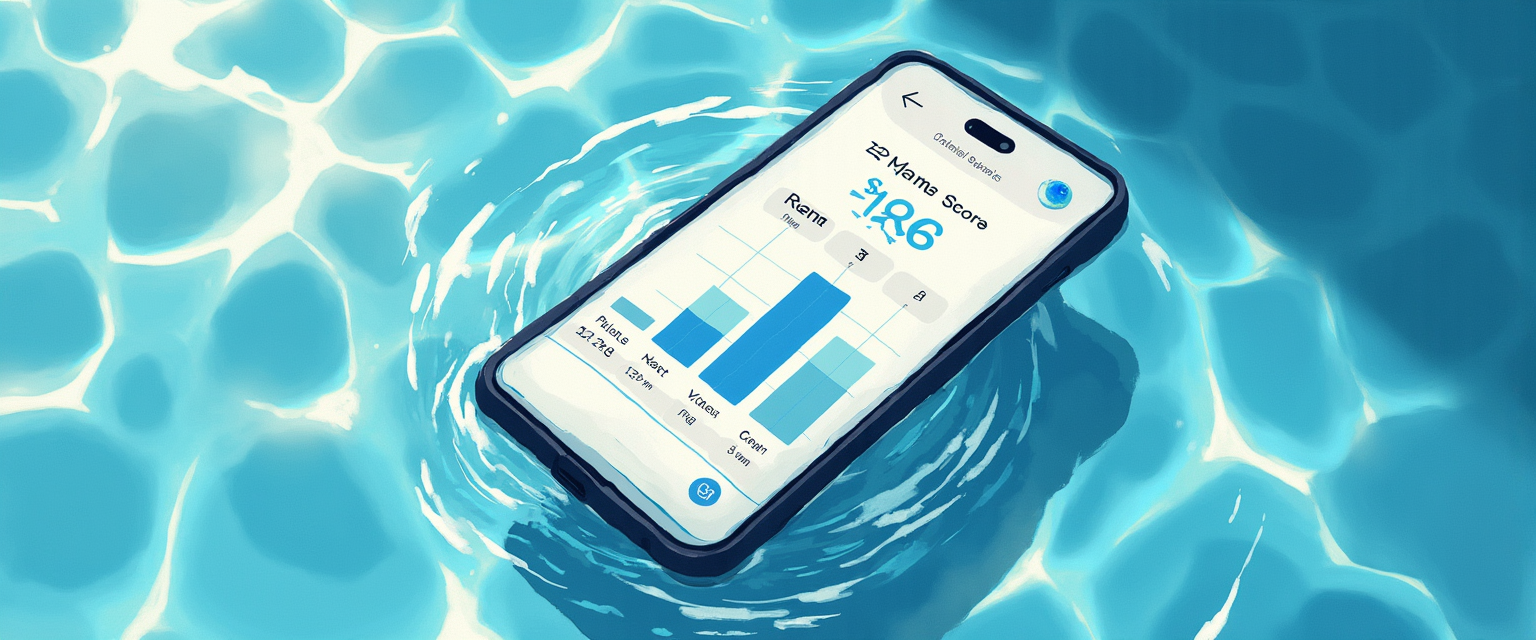
For parents the app offers a clear learning path of 7 levels (from Red to Gold) with 86 exercises. You rate each exercise with a simple scoring system (0 to 6) and receive a personal swimming certificate for every level achieved. That shows in one glance where your child stands and what still needs work.
Adults who want to learn or improve swimming use Swimmigo discreetly and without group pressure. The app gives structure, divides the learning process into manageable steps and helps overcome uncertainty. You train at your own pace, when it suits you.
Swim schools and instructors use Swimmigo completely free as a digital system for student administration, schedules and progress. Parents see their child's development in real time, without extra work for you. A handy Marketing Toolbox also helps you create professional flyers, social media posts and certificates.
2. Traditional methods for tracking progress
This section describes traditional ways to track swimming lesson progress without digital tools.
You will read about paper records, manual notes during lessons and communication with parents.
These methods are still widely used and provide practical insights for instructors and parents.
Paper records and logbooks
Paper records and logbooks are a common method to document swimming lesson progress.
Instructors note which skills a student has achieved and what points need attention.
These documents are often kept per student and form an overview of learning development.
Although keeping them manually takes time, they provide a tangible overview that is easy to carry along.
Manual notes during lessons
During lessons instructors often make manual notes to record specific observations.
These notes can concern technique, posture or the student's behavior in the water.
By writing during or right after the lesson, the information stays current and relevant.
It is important that these notes are clear and concise to make them easy to read later.
Communication with parents
Communication with parents plays an important role in sharing swimming lesson progress.
Instructors often use conversations or written reports to inform parents.
This helps parents understand their child's development and any points of attention.
Regular updates ensure good cooperation between instructor and parent.
3. Bringing structure without software
This section explains how to bring structure to tracking swimming lesson progress without digital tools. You will learn about using standard assessment criteria, scheduling fixed evaluation moments and creating clear progress tables. That gives insight into swimmers' development with simple means.
Using standard assessment criteria
Using standard assessment criteria helps evaluate swimmers' progress in a consistent way. These criteria can include skills such as breathing, floating and strokes. By setting these points in advance, every instructor knows what to look for during lessons.
This prevents assessments from becoming subjective or unclear. It is useful to have these criteria on paper and to discuss them regularly with fellow instructors. That keeps assessment consistent and transparent for both instructors and parents.
Fixed moments for evaluation
Fixed evaluation moments create regularity and overview when tracking swimming progress. For example, schedule an assessment every 4 to 6 weeks to evaluate each swimmer's skills. This can happen during a special lesson or at the end of a lesson block.
By fixing these moments, a clear rhythm for feedback appears. Parents know when to expect an update and instructors can work specifically on improvements. That boosts swimmers' motivation and learning.
Creating clear progress tables
Making clear progress tables helps keep all swimmer data structured. Use a simple paper table or a spreadsheet. Note the swimmer's name, the assessment criteria and the evaluation date.
That shows at a glance which skills are already mastered and which need attention. It makes following development easier and gives targeted advice. The overview can also be shared with parents for more transparency.
Swimmigo · Swim lesson app
Free for parents
Follow your child's swimming progress, see where you stand and report absences in the app.


4. Tips for efficient group management
Efficient group management is essential for smooth lessons without a digital system.
This section explains how to group by level and age, the importance of clear planning and schedules, and how instructors can communicate effectively with each other.
These practical tips help keep overview and make lessons run in a structured way.
Grouping by level and age
Grouping by level and age ensures lessons match the curriculum better.
Beginners can get more focus on basic skills, while advanced swimmers work on technique and fitness.
For example, separate children aged 3 to 6 from those aged 7 to 10, because their motor skills and concentration differ.
Also, keep group sizes reasonable so each student gets enough attention.
Clear planning and schedules
Clear planning and fixed schedules give structure to swimming lessons.
By deciding in advance which skills are covered in each lesson, instructors know what to teach.
It helps to note the plan clearly on paper or a board, so everyone can access it quickly.
That prevents confusion and helps parents better understand what their child is learning.
Communication among instructors
Good communication between instructors is important to track every student's progress.
Regular short meetings or exchanging notes helps share information about strengths and points of attention.
That way the next instructor can adapt the lesson to the group's needs.
A practical tip is to use a shared notebook or folder for observations.
5. Considering digital support
This section looks at the added value of digital tools for tracking swimming lesson progress.
It shows which simple apps are available and how they can support you.
It also weighs up costs and time investment, so you can make a considered choice.
Benefits of digital tracking systems
Digital tracking systems provide a clear overview of each swimmer's progress.
They allow results to be recorded and shared with parents and instructors immediately.
They can also send automatic reminders for evaluations or new lessons.
This adds structure and reduces administrative hassle.
Options for simple apps
There are various simple apps developed specifically for supporting swimming lessons.
These apps often offer features such as tracking certificates, lesson schedules and personal notes.
One example is an app that gives parents insight into their child's next steps.
That keeps everyone involved without taking much extra time.
Weighing costs and time investment
Using digital systems requires an investment of time and sometimes money.
Assess whether the benefits outweigh these costs.
For small swim schools a simple app may be enough, while larger schools benefit from more comprehensive systems.
A good assessment prevents unnecessary complexity and keeps the process manageable.

Summary
Summary
Digital tools offer clear added value when tracking swimming lesson progress. They allow results to be recorded and shared with parents and instructors immediately.
They also reduce administrative hassle and can send automatic reminders for evaluations or new lessons.
Why a digital tracking system helps
A digital tracking system provides an overview of each swimmer and makes group management more efficient. It supports grouping by level and age, which improves lesson alignment.
Using standard assessment criteria keeps progress consistent and transparent. That improves cooperation between instructors and parents, and makes lesson planning clearer.
You can try Swimmigo for free via https://swimmigo.com.
Sources

Bob van Soest
As an expert in operating sports facilities (such as swimming pools) and developer of, among others, Swimmigo.com, I am passionately committed to making swimming lessons simpler, more fun and more insightful for parents, swimming instructors and everyone who wants to learn to swim.
Frequently Asked Questions
Related articles
When to start swimming lessons for optimal progress
Read from what age swimming lessons are effective for the best results and your child’s safety in the water.

Effectively recording swim lesson progress: from what age?
Find out from what age it makes sense to record swim lesson progress and how to do that in practice.

Efficiently record swimming lesson progress per group
Practical tips for tracking swimming lesson progress per group for parents and instructors.
Discover Swimmigo
The all-in-one app for swimming lesson progress. For parents, swim schools, and adult swimmers.