RecordingSwimmingLessonProgressinDifficultExercises
Summary
- Regular evaluations and clear criteria optimize swimming lesson progress in difficult exercises.
- Digital tracking system promotes transparency and involvement of parents and students.
- Targeted feedback and progress measurement improve motivation and lesson approach.
Accurately tracking swimming lesson progress is important, especially for exercises that require extra attention. A digital tracking system can support this by providing insight into each swimmer's development.
This article discusses practical methods to record progress in challenging swimming lessons. It also covers the roles of parents and instructors, as well as tips to better tailor the learning process.
The information helps structure swimming lesson planning and improve communication among all parties involved.
1. Importance of Tracking Progress
Recording swimming lesson progress is essential, especially for difficult exercises. This chapter discusses why measuring is important, the benefits it offers instructors and parents, and how it positively influences the learning process.
By gaining insight into progress, lessons can be better tailored. It also creates more clarity and involvement among all parties.
Why Measuring Progress is Important
Measuring progress in swimming lessons helps to accurately monitor the development of each student. This is especially important for challenging exercises that require more time and attention.
By regularly recording, it can be determined which skills are already mastered and where extra practice is needed. This creates a clear picture of the learning path.
Measuring progress prevents important steps from being skipped and ensures a structured approach. It makes it possible to adjust the pace to the student's level.
Additionally, it helps to make successes visible, which is motivating for both student and instructor.
Benefits for Instructors and Parents
For instructors, recording progress provides a practical overview of each student's performance. This makes it easier to give targeted feedback and adjust lesson content.
Parents gain insight into their child's development through progress tracking. This promotes understanding and involvement in the swimming process.
With clear reports, parents can better support and encourage, which increases the child's confidence. They can also stimulate targeted exercises at home.
This collaboration between instructor and parents strengthens the learning process and contributes to a positive swimming experience.
Influence on the Learning Process
Systematically tracking progress influences the learning process by providing insight into strengths and weaknesses. This allows the lesson approach to be adjusted where necessary.
Students experience better guidance that matches their personal pace and needs. This prevents frustration and promotes self-confidence.
By setting clear goals and monitoring them, the learning process becomes more transparent and goal-oriented. This encourages a positive learning attitude.
It also helps to timely identify when extra support is needed, so students can be effectively assisted.
What is Swimmigo?
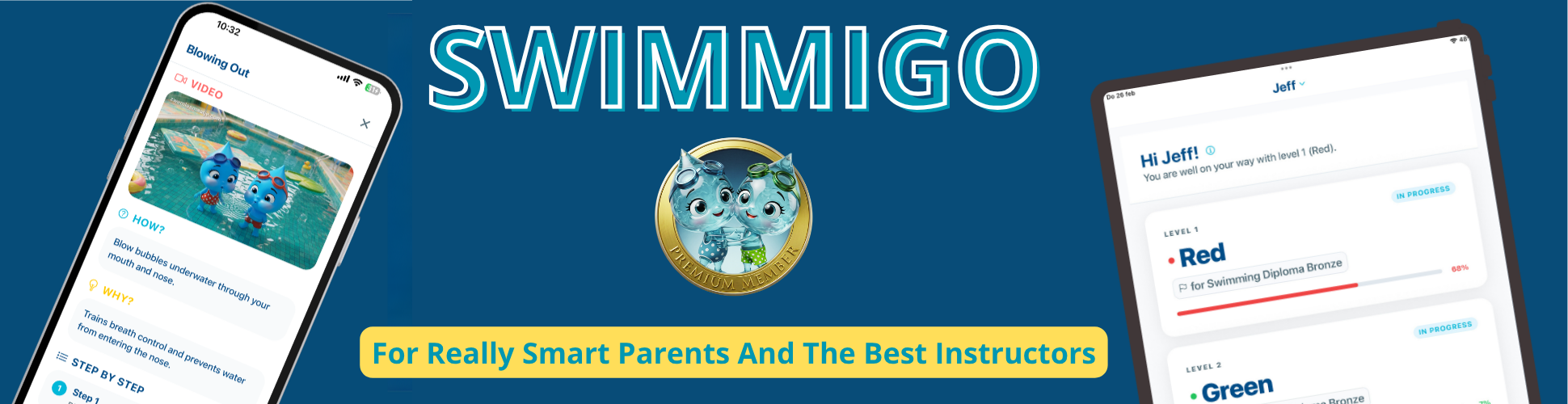
Swimmigo is an independent app that allows you to track, assess, and celebrate swimming progress, whether you are a parent, adult swimmer, or instructor. You are not dependent on the swim school but keep control yourself.
For parents, the app offers a clear learning path of 7 levels (from Red to Gold) with 86 exercises. You rate each exercise with a simple scoring system (0 to 6) and receive a personal swimming certificate for each achieved level. This way, you can see at a glance where your child stands and what still needs work.
Adults who want to learn (better) swimming use Swimmigo discreetly and without group pressure. The app provides structure, breaks the learning process into manageable steps, and helps overcome insecurity. You train at your own pace, whenever it suits you.
Swim schools and instructors use Swimmigo completely free as a digital system for student administration, schedules, and progress. Parents see their child's development in real-time, without extra work for you. A handy Marketing Toolbox also helps you create professional flyers, social media posts, and certificates.
2. Specific Challenges in Water Treading
Water treading is an exercise often perceived as difficult during swimming lessons. It requires specific technique and control, which can vary per student. In this chapter, we discuss how to recognize and address these challenges.
Understanding Technique and Control
Water treading requires the student to keep the body stable while actively moving the legs. The correct technique ensures sufficient buoyancy and prevents fatigue. Instructors pay attention to leg movements, posture, and breathing during water treading.
By understanding these elements well, progress can be accurately recorded. This helps provide targeted feedback and improve the exercise step by step.
Recognizing Differences per Student
Each student has their own pace and motor skills that affect water treading. Some children find it difficult to move their legs in sync, while others struggle to stay relaxed in the water. Recognizing these differences is essential for appropriate guidance.
By tracking progress per student, the instructor can adjust the lesson material and give extra attention where needed. This prevents frustration and promotes self-confidence.
Common Problems and Solutions
Common problems in water treading include lifting the knees too high, tense muscles, and the head sinking. These hinder effective practice and slow progress. Solutions include giving clear instructions and using aids such as a kickboard.
Additionally, breaking the exercise into smaller steps can help. This way, the student can first get used to the leg movements without worrying about the rest of the body.
3. Practical Methods for Recording
In this chapter, we discuss three practical methods to record progress in challenging swimming lessons. We cover manual notes, the use of digital platforms, and the use of photo and video analysis. This gives you insight into different ways to accurately track swimmers' development.
Manual Notes and Checklists
Manual notes and checklists are a simple way to record progress. Instructors can note specific observations during or after the lesson, such as mastering an exercise or points of attention. Using a checklist helps to work in a structured way and not overlook anything.
This method is flexible and requires no technical tools. An example is ticking off parts of an exercise, such as correctly performing breathing technique. This creates a clear overview of which parts need extra attention.
Use of Digital Platforms
Digital platforms offer an efficient way to record progress and share it with parents and fellow instructors. Through apps or software, results can be entered and saved immediately. This makes it possible to track trends and quickly adjust the lesson approach.
Additionally, digital systems can send reminders for evaluation moments and generate reports. For example, an instructor can add notes per student and view progress graphs. This promotes structured and transparent communication.
Photo and Video Analysis
Photo and video analysis are valuable tools to better understand difficult swimming techniques. By recording exercises, instructors and swimmers can review together and point out areas for improvement. This makes the learning process visual and concrete.
An example is filming a swimming stroke to analyze posture and movements. Parents can also watch along, increasing involvement. Regularly capturing images helps make small improvements visible and stimulates motivation.
4. Involving Parents in Progress
Parents play an important role in monitoring swimming lesson progress, especially in difficult exercises. Good communication and preparation ensure better cooperation between parents, children, and instructors. Additionally, parents can support their child's swimming skills at home with practical tips.
Establishing Transparent Communication
It is important to organize open and clear communication between the swim school and parents. This way, parents know exactly which exercises their child finds difficult and what steps are being taken to make progress. Regular updates, for example via a digital tracking system, ensure transparency. This helps parents stay involved and gain confidence in the learning process.
Additionally, brief feedback after the lesson can give parents insight into specific points of attention. This prevents misunderstandings and encourages a joint approach. Clear communication also boosts the child's motivation, as parents can encourage better.
Preparing Parents for Practice Moments
Parents can better support their child if they know what is being practiced during the swimming lesson. It helps to inform parents in advance about the goals and structure of difficult exercises. This way, they can prepare at home and reassure the child. For example, by practicing simple water activities together that align with the swimming lesson.
Good preparation prevents children from going to the lesson with tension. Parents can also ask the instructor questions to remove uncertainties. This strengthens cooperation and creates a positive learning environment.
Tips for Support at Home
At home, parents can support the swimming process with simple exercises and games. For example, by letting the child get used to water in the shower or bath. This contributes to becoming comfortable with water, an important foundation for swimming skills. Additionally, parents can encourage the child to practice breathing and floating during free swim sessions.
It is useful to swim together regularly so the child gains confidence in the water. Small successes at home can increase self-confidence and accelerate learning in the swimming lesson. This creates a positive interaction between practicing at home and teaching.
5. Optimizing Swimming Lesson Progress
In this chapter, we discuss how to optimize swimming lesson progress in difficult exercises.
We cover the importance of regular evaluations, adjusting the lesson approach, and effectively using motivation.
These practical insights help instructors and parents better tailor the learning process to the student's needs.
Scheduling Regular Evaluation Moments
Plan fixed moments to evaluate swimming lesson progress. This can be, for example, after each lesson week or after a series of exercises.
Use clear criteria to assess which parts are going well and where extra attention is needed.
Regular evaluations provide insight into development and make it possible to adjust in time.
This prevents problems from accumulating and keeps the student motivated through visible progress.
Adjusting the Lesson Approach When Needed
Adjust the lesson approach when a student struggles with certain exercises. This may mean breaking the exercise into smaller steps.
Use aids or variations that better match the student's level.
By being flexible in lesson structure, you can better respond to individual differences and learning styles.
This ensures a more effective and personalized guidance that supports the learning process.
Effectively Using Motivation to Encourage Students
Motivation plays an important role in learning to swim, especially in difficult exercises.
Give positive feedback and reward small successes to boost self-confidence.
Also involve parents in encouraging their child, for example by practicing at home or swimming together.
A targeted motivation approach helps students persevere and enjoy the learning process.

Summary
Summary of Optimizing Swimming Lesson Progress in Difficult Exercises
Optimizing swimming lesson progress in difficult exercises requires regular evaluations and adjustments in the lesson approach. Motivation plays an important role in tailoring the learning process to the student's needs.
Fixed evaluation moments help make development clear. Clear criteria indicate which parts are going well and where extra attention is needed.
Why a Digital Tracking System Helps
Parents are important in monitoring swimming lesson progress, especially in difficult exercises. Open communication and regular updates via a digital tracking system ensure transparency and involvement.
Practical methods to record progress include manual notes, digital platforms, and video analysis. These provide insight into development and support a structured approach.
Water treading is an example of a difficult exercise that requires accurate recording. By observing technique and posture, targeted feedback can be given.
Measuring progress prevents steps from being skipped and makes it possible to better tailor lessons. This promotes motivation and involvement of both student and instructor.
Dear reader, this blog post was about recording swimming lesson progress in difficult exercises.
We would love to hear if you have experience with tracking swimming lesson results. Feel free to leave a comment below this article.
You can try Swimmigo for free via swimmigo.com. We wish you much success in tracking swimming lesson progress.

Bob van Soest
As an expert in operating sports facilities (such as swimming pools) and developer of, among others, Swimmigo.com, I am passionately committed to making swimming lessons simpler, more fun and more insightful for parents, swimming instructors and everyone who wants to learn to swim.
Frequently Asked Questions
Related articles
Why Showering Before Swimming Lessons Is So Important
Why shower before swimming lessons? Discover why hygiene and preparation are crucial for the best swimming experience. Read our tips and avoid surprises!
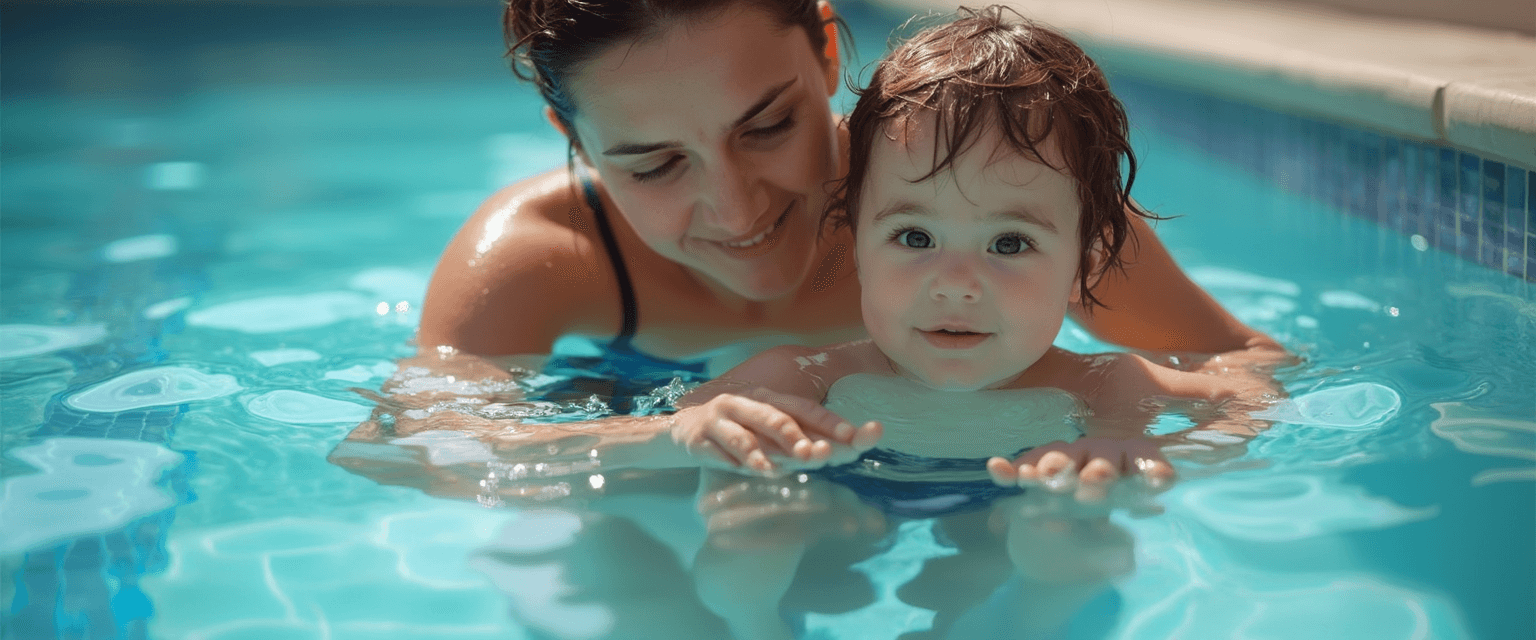
When to Start Swimming Lessons for Optimal Progress
Read from which age swimming lessons are effective for the best results and safety of your child in the water.
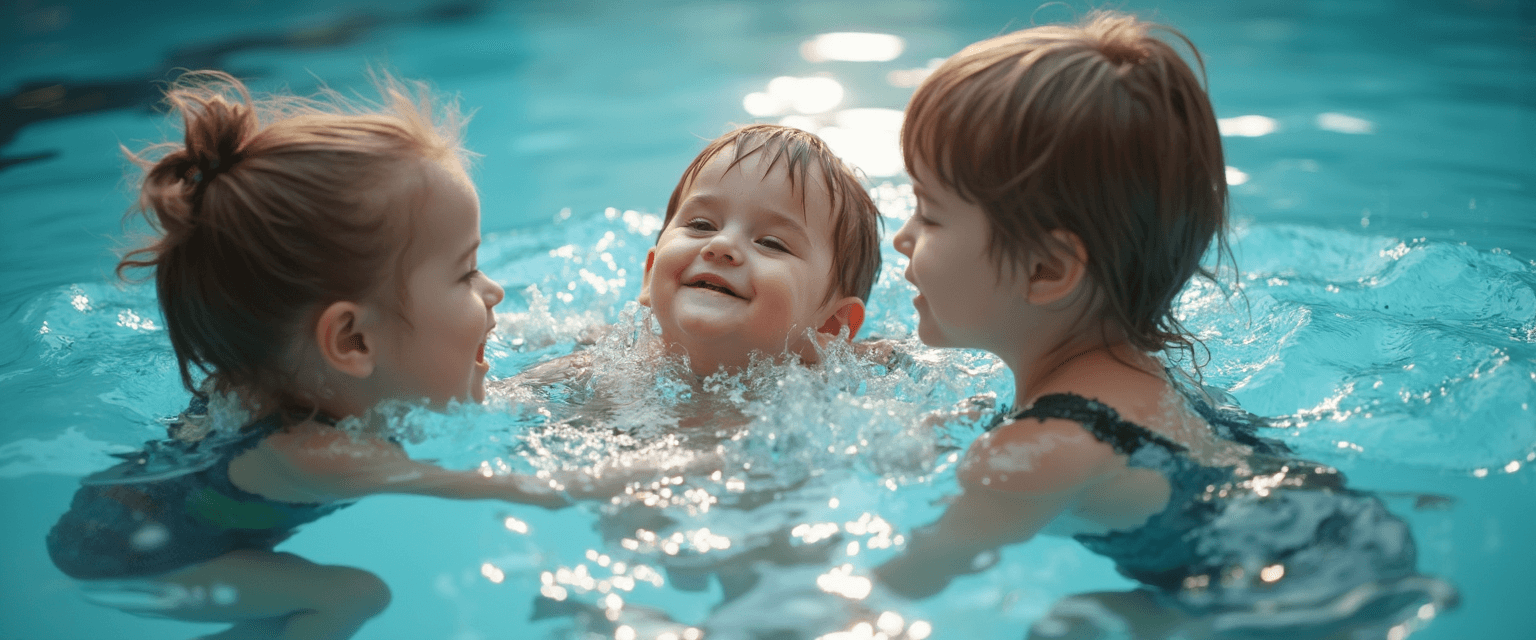
Effectively Registering Swimming Lesson Progress from What Age?
Discover from what age you should best register swimming lesson progress and how to do this practically.
Discover Swimmigo
The all-in-one app for swimming lesson progress. For parents, swim schools, and adult swimmers.