RecordingSwimmingLessonProgressinBabyandToddlerSwimming
Summary
- Baby and toddler swimming strengthens parent-child bond and motor development.
- Digital tracking system makes swimming lesson progress clear and adaptable.
- Puppy certificates motivate and ensure quality of swimming lessons.
Tracking swimming lesson progress in baby and toddler swimming is important for structured and clear guidance. Swimming schools and instructors increasingly use a digital tracking system to accurately record this progress.
In this article, we discuss the benefits of proper registration, the tools that can be used, and what a clear structure looks like. Additionally, we cover how this registration contributes to planning swimming lessons and involving parents.
This information helps professionals and parents better monitor and support the development of young swimmers.
1. Introduction to Baby and Toddler Swimming
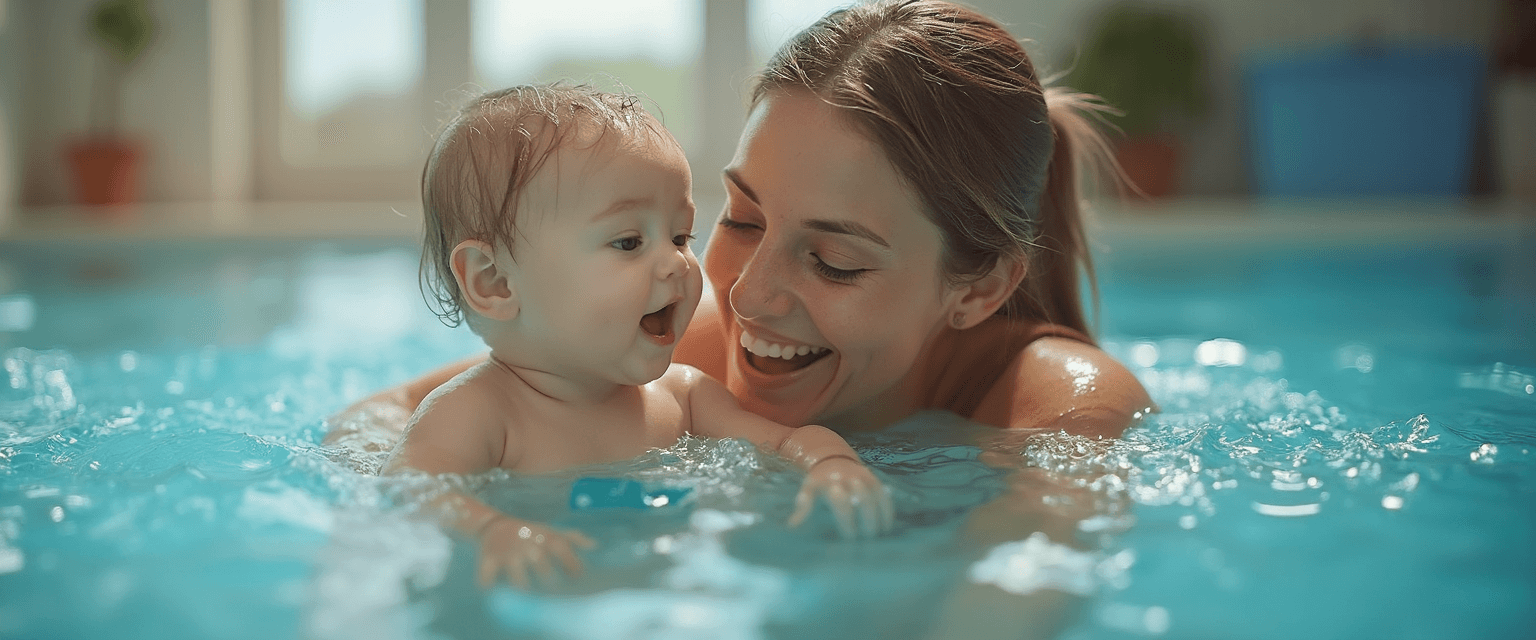
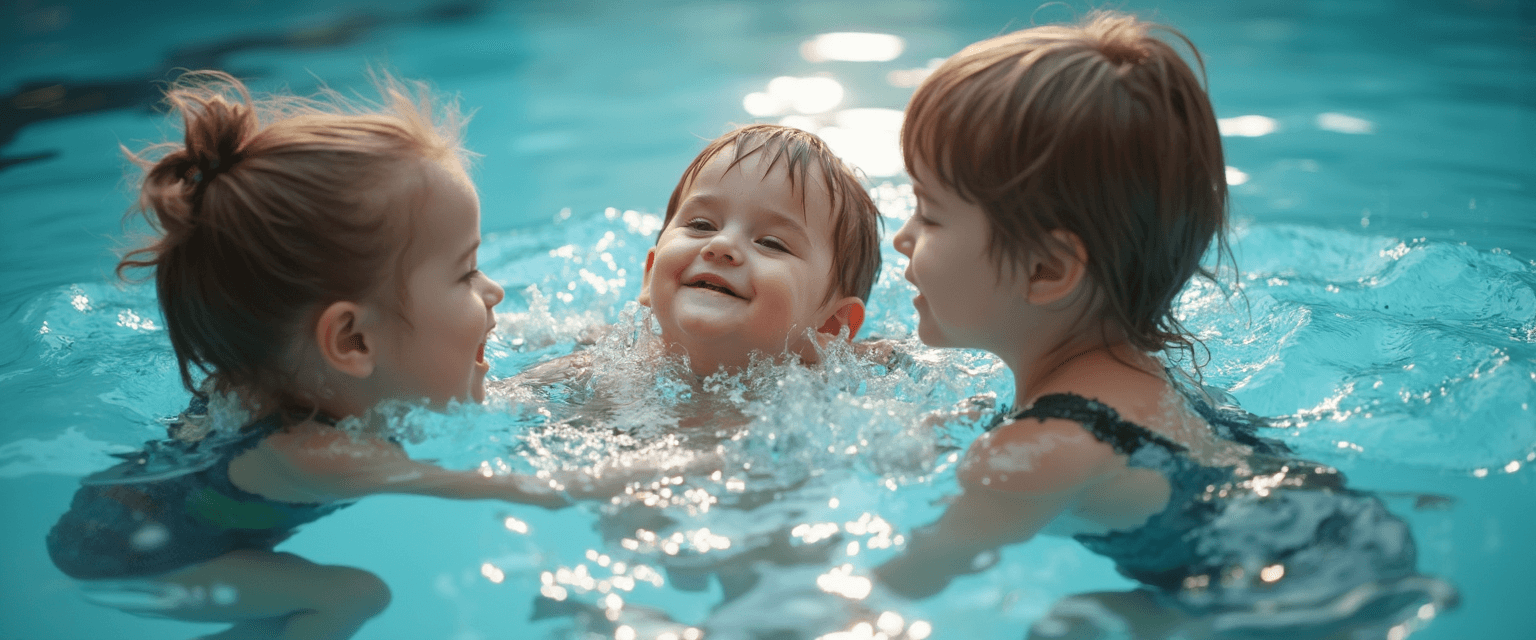
Baby and toddler swimming is a special program for young children from three months old. It focuses on familiarizing them with water, strengthening the parent-child bond, and stimulating physical development. In this chapter, we discuss the goals and benefits, age limits and vaccinations, and the locations where these lessons are offered.
Goals and Benefits
The goal of baby and toddler swimming is to gently and playfully familiarize children with water. The lessons take place with a parent or caregiver in the water, which strengthens the bond through skin contact. Additionally, the program promotes motor development and endurance in young children. Fun and relaxation are central so that children feel comfortable in the water.
Through this approach, children learn to interact with water naturally. This contributes to their confidence and independence while swimming. The lessons are not aimed at teaching swimming techniques but at creating a positive water experience. This lays a good foundation for later swimming lessons.
Age Limits and Vaccinations
Baby and toddler swimming is suitable for children from three months old, provided they have received their first vaccination. This is important to protect the children's health. The age limit ensures the lessons match the children's developmental stage. Parents can participate in the swimming lessons with peace of mind.
The presence of a parent or caregiver is mandatory during the lessons. This ensures safety and trust for the child. Additionally, it is important that parents are aware of health guidelines and any contraindications. This keeps swimming a safe and enjoyable activity for everyone.
Locations and Accessibility
Swimming lessons for babies and toddlers are offered at various locations in Rotterdam and surroundings. Examples include Sportcentrum De Rozenburcht, Zwembad Hoogvliet, and Zwembad IJsselmonde. This allows parents to choose a location close to home. The locations are easily accessible and have facilities suitable for young children.
Additionally, Sportbedrijf Rotterdam offers a wide range of aquatic activities. This makes it possible to continue to other swimming and sports programs after baby and toddler lessons. Registration and information about locations are easy to find via the swimming pools' websites. This way, parents can easily find a suitable swimming lesson.
What is Zwemlesmaatje?
Swimmigo is an independent app that allows you to track, assess, and celebrate swimming progress, whether you are a parent, adult swimmer, or instructor. You are not dependent on the swimming school but keep control yourself.
For parents, the app offers a clear learning path of 7 levels (from Red to Gold) with 86 exercises. You rate each exercise with a simple scoring system (0 to 6) and receive a personal swimming certificate for each achieved level. This way, you can see at a glance where your child stands and what still needs work.
Adults who want to learn (better) swimming use Zwemlesmaatje discreetly and without group pressure. The app provides structure, breaks the learning process into manageable steps, and helps overcome insecurity. You train at your own pace, whenever it suits you.
Swimming schools and instructors use Swimmigo completely free as a digital system for student administration, schedules, and progress. Parents see their child's development in real-time, without extra work for you. A handy Marketing Toolbox also helps you create professional flyers, social media posts, and certificates.
2. Recording Swimming Lesson Progress
Recording swimming lesson progress in baby and toddler swimming is essential for structured guidance.
In this chapter, we discuss why registration is important, which materials and tools help with this, and what a clear structure looks like.
This gives you insight into the process and benefits of good progress registration.
Importance of Recording Progress
The importance of recording progress lies mainly in monitoring the child's development in the water.
By systematically tracking which skills have been achieved, instructors can teach more targeted lessons and plan the next steps.
Parents also get a clear picture of the progress and can stay involved in the learning process.
Registration also helps ensure the quality of swimming lessons and timely identification of points of attention.
Using Materials and Tools
Various materials and tools are available for recording swimming lesson progress, such as digital tracking systems and paper logbooks.
Digital systems offer the advantage of quick access and clear reports per child.
Additionally, photos or short videos can be added as visual support to better document development.
It is important that the tools used are easy to use for both instructors and parents.
Structure of Registration
A good registration structure starts with recording basic data such as name, age, and start date of the child.
Then, per lesson or period, the skills achieved and observations are noted.
It is helpful to do this in clear categories, for example, water confidence, breathing, and motor skills.
Regular updates and a fixed registration frequency ensure an up-to-date and useful overview.
3. Puppy Certificates and Assessment Moments
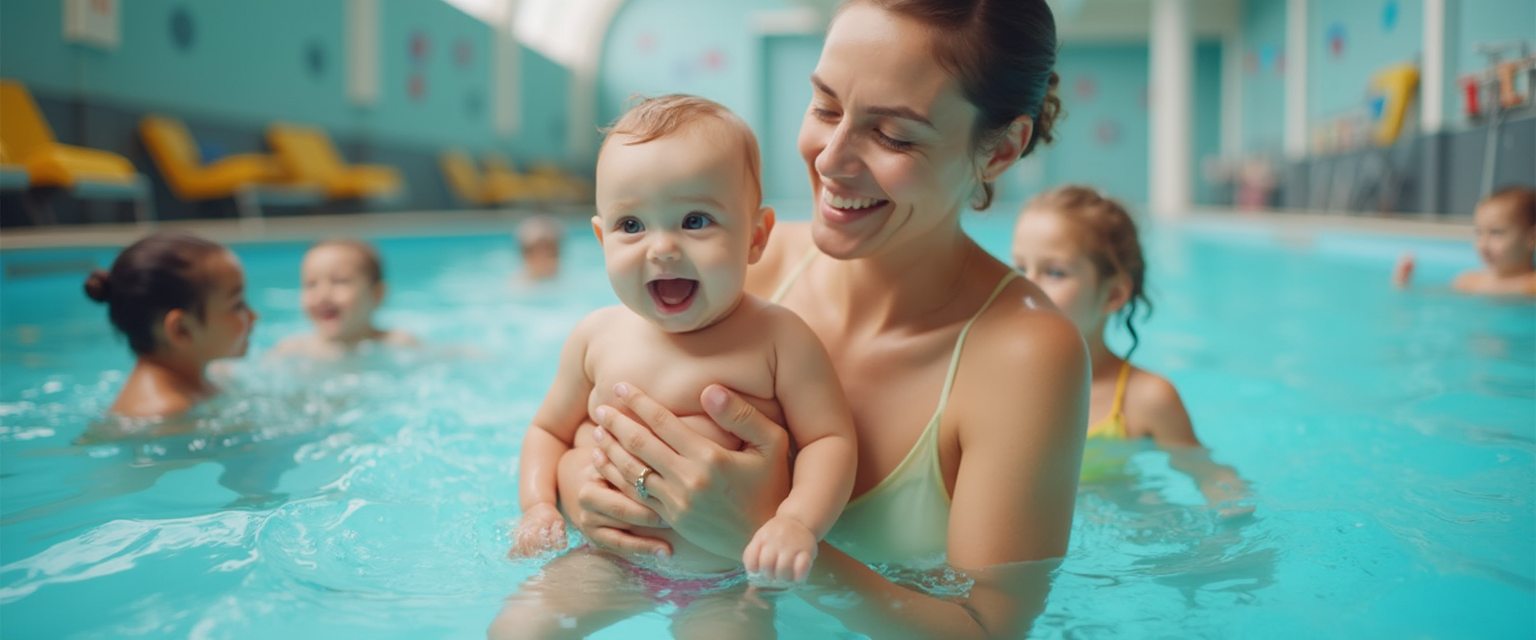
In this chapter, we discuss the content of puppy certificates, how assessment moments are organized, and the conditions for admission to regular swimming. These components together form the basis for structured progress in baby and toddler swimming. This creates a clear overview of the steps towards regular swimming lessons.
Content of Puppy Certificates
Puppy certificates are intended to assess the swimming skills of babies and toddlers in a playful way. They consist of three levels, each covering specific skills and water experiences. For example, getting used to water, floating, and simple swimming movements. Each certificate is awarded after an assessment moment where the instructor observes whether the child has achieved the goals.
These certificates encourage children to become familiar with water step by step. They provide parents and instructors with a clear overview of development. This way, progress can be well monitored and adjusted if necessary. The certificates are a valuable motivation for children and parents.
Organizing Assessment Moments
Assessment moments are fixed times when the children's swimming skills are evaluated. These are carefully planned to measure progress without putting pressure on the child. During such a moment, the instructor assesses the skills related to the relevant puppy certificate. This takes place in a safe and familiar environment.
Assessment moments are often combined with a small ceremony or presentation. This makes earning a certificate a positive experience. Through this structure, parents know exactly when to expect an evaluation. It also helps keep the swimming lessons goal-oriented.
Admission to Regular Swimming
After obtaining all three puppy certificates and reaching four years old, children can directly enter regular swimming lessons. This means they have no waiting time and can smoothly progress. The certificates show that the child has developed sufficient basic skills. This ensures the transition to the next swimming phase is well prepared.
This admission is an important advantage for parents who want their child to progress on time. It prevents unnecessary delays in the swimming journey. This way, swimming development is continuously supported, and children can continue learning at their own pace. This contributes to a positive swimming experience.
4. Involving Parents and Caregivers
In this chapter, we discuss how parents and caregivers can be actively involved in the swimming lesson progress of their baby or toddler.
We cover effective communication about development, the use of municipal offers, and practical tips for practicing at home.
These insights help parents support and enhance their child's swimming experience.
Communication About Progress
Good communication between instructors and parents is essential to make the child's progress clear.
Regular updates, for example via a digital tracking system, give parents clarity about achieved skills and points of attention.
This way, parents better understand which steps their child has already taken and what the next goals are.
This promotes trust and involvement in the swimming process.
Use of Municipal Offers
Municipalities sometimes offer special promotions or gifts, such as a free trial lesson with the 'Key of Rotterdam'.
Parents can use these offers to get acquainted with baby and toddler swimming without immediate costs.
Swimming pools and schools often inform about these possibilities during registration or via local communication channels.
Utilizing such offers can lower the threshold to start swimming and stay involved.
Tips for Practicing at Home
Practicing at home can strengthen the swimming experience of young children and support what is learned in lessons.
Parents can do simple water activities, such as splashing, floating, or playing together in the bath, to familiarize the child with water.
It is important to always do this in a relaxed and safe way, without pressure.
This keeps the fun in water central and positively stimulates development.
5. Practical Tips for Swimming Instructors
In this chapter, we discuss how swimming instructors can practically record the progress of baby and toddler swimming.
We cover observing developmental steps, carefully documenting these observations, and the importance of contact with the swimming pool administration.
These tips help keep swimming lessons clear and goal-oriented.
Observe Developmental Steps
It is important to pay close attention to the different developmental steps of the children during lessons.
For example, observe how a baby reacts to water, whether a toddler floats independently, and makes simple movements.
By systematically noting these observations, a clear picture of individual progress emerges.
This allows you to better respond to each child's needs and adjust the lesson program where necessary.
Document Carefully and Honestly
Always document progress carefully and honestly so that the data is reliable for parents and colleagues.
Use a fixed structure to record observations, for example via a digital tracking system or a standard form.
Be concrete in your notes and avoid subjective judgments.
This makes it easier to follow development and provide a clear overview during assessment moments.
Maintain Contact with Swimming Pool Administration
Keep regular contact with the swimming pool administration to keep the registration current and complete.
This prevents important data from being lost or not processed.
Good coordination ensures that certificates and assessment moments are scheduled on time and that parents are informed promptly.
Additionally, it helps maintain the quality of swimming lessons and minimize administrative errors.

Summary
Summary of Baby and Toddler Swimming: Tracking Progress Digitally
Baby and toddler swimming focuses on familiarizing young children with water. The lessons strengthen the parent-child relationship and stimulate motor development.
Swimming instructors carefully observe and document each child's developmental steps. This helps keep swimming lessons clear and goal-oriented.
Why a Digital Tracking System Helps
A digital tracking system makes it possible to systematically record swimming lesson progress. Instructors can better respond to each child's needs and adjust the lesson program.
Parents gain insight into achieved skills through the system and can practice purposefully at home. This promotes involvement and trust in the swimming process.
Puppy certificates provide a structured way to assess swimming skills. They give a clear overview of development and motivate children and parents.
Recording progress ensures the quality of swimming lessons. It helps identify points of attention in time and plan the next steps.
Dear reader, this blog post was about recording swimming lesson progress in baby and toddler swimming.
We would love to hear if you have experience with digitally tracking swimming lessons. Feel free to leave a comment below this article.
You can try Swimmigo for free via https://swimmigo.com. We hope this can help you follow swimming lesson progress.

Bob van Soest
As an expert in operating sports facilities (such as swimming pools) and developer of, among others, Swimmigo.com, I am passionately committed to making swimming lessons simpler, more fun and more insightful for parents, swimming instructors and everyone who wants to learn to swim.
Frequently Asked Questions
Related articles
When to Start Swimming Lessons for Optimal Progress
Read from which age swimming lessons are effective for the best results and safety of your child in the water.
Effectively Registering Swimming Lesson Progress from What Age?
Discover from what age it is best to register swimming lesson progress and how to approach it practically.

Efficiently Registering Swimming Lesson Progress per Group
Practical tips for tracking swimming lesson progress per swimming lesson group for parents and instructors.
Discover Swimmigo
The all-in-one app for swimming lesson progress. For parents, swim schools, and adult swimmers.