Keeping Swimming Lesson Progress Organized

Summary
- Clear notes and parental involvement improve swimming lesson guidance.
- Small, balanced groups ensure appropriate pace and better guidance.
- Digital tracking system increases overview, communication, and involvement in swimming lessons.
Keeping track of swimming lesson progress in an organized way is essential for parents, instructors, and swimming schools. A digital tracking system can support this by providing clear insights into swimmers' development.
In this article, we discuss various methods to efficiently record swimming lesson progress and planning. We cover practical options, from manual registration to using accessible digital tools.
Additionally, we pay attention to structuring swim groups and scheduling lessons. This creates a clear picture of the learning process and organization within swimming lessons.
1. Importance of Overview in Swimming Lessons
Having an overview of swimming lesson progress helps track swimmers' development. It provides clear insights for parents, instructors, and schools. This chapter discusses why overview is important, its benefits, and the importance of user-friendliness.
Why Swimming Lesson Progress is Important
Keeping track of swimming lesson progress is essential to properly monitor swimmers' growth. This way, swimmers can be guided purposefully and receive the right attention for their learning goals. Insight into progress also helps determine which skills need extra practice. This prevents swimmers from getting stuck or moving on too quickly.
Moreover, the overview ensures better communication between instructors and parents. Parents know exactly where their child stands and what the next steps are. This fosters trust and involvement in the swimming process.
Benefits of Clear Overview
A clear overview of swimming lesson progress offers multiple benefits. It makes it possible to compare and evaluate performances. This allows swim instructors to better tailor their lessons to each swimmer's needs. It also helps to adjust in time when a swimmer needs extra support.
For parents, having an overview means they can better estimate how their child is developing. This contributes to a positive experience and motivation to continue swimming. Furthermore, the overview helps in planning follow-up lessons and diplomas.
User Experience Without Complexity
An organized system for swimming lesson progress does not have to be complicated. User-friendliness is important to keep tracking simple. This prevents instructors and parents from dropping out due to too much complexity.
Practical and accessible tools ensure that everyone can quickly see the status. This way, the focus remains on the swimming process and not on the administrative part. An overview without unnecessary features works best in practice.
What is Zwemlesmaatje?
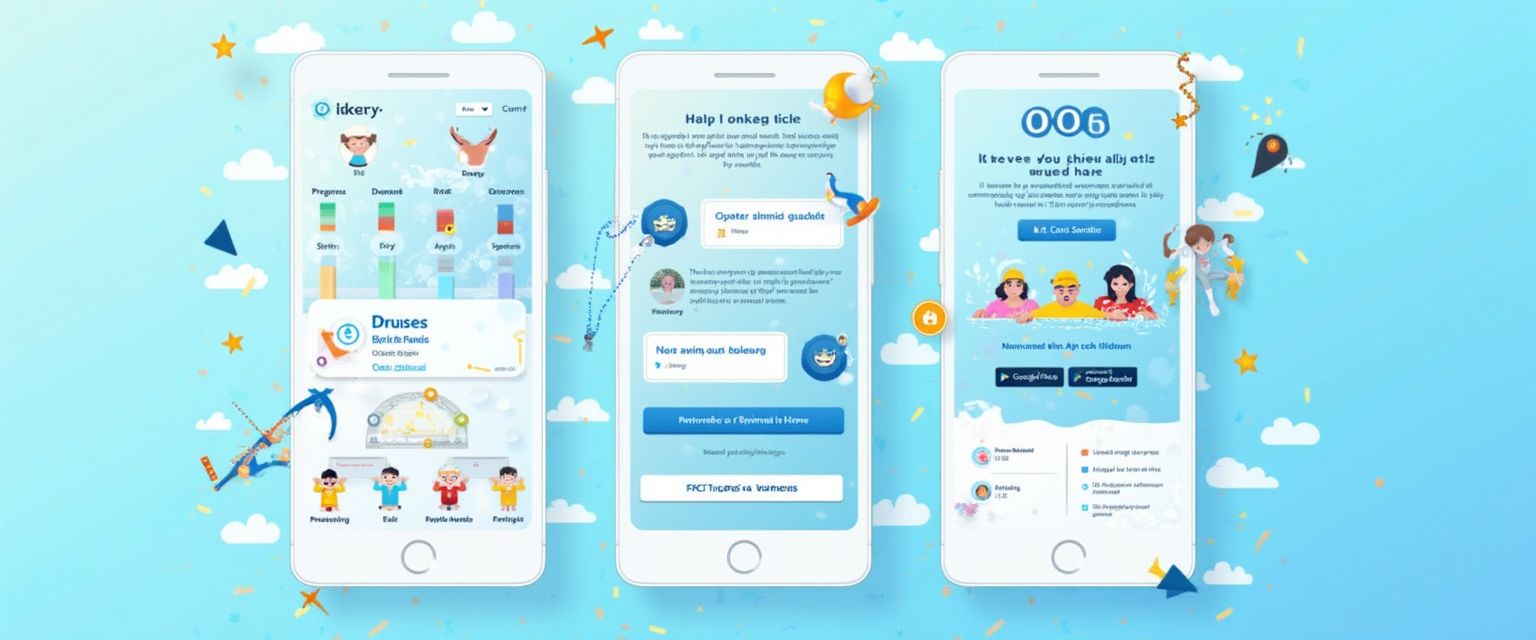
Swimmigo is an independent app that allows you to track, assess, and celebrate swimming progress, whether you are a parent, adult swimmer, or instructor. You are not dependent on the swimming school but keep control yourself.
For parents, the app offers a clear learning path of 7 levels (from Red to Gold) with 86 exercises. You rate each exercise with a simple scoring system (0 to 6) and receive a personal swimming certificate for each level achieved. This way, you can see at a glance where your child stands and what still needs work.
Adults who want to learn (better) swimming use Zwemlesmaatje discreetly and without group pressure. The app provides structure, breaks the learning process into manageable steps, and helps overcome uncertainty. You train at your own pace, whenever it suits you.
Swimming schools and instructors use Swimmigo completely free as a digital system for student administration, schedules, and progress. Parents see their child's development in real time, without you having to do any extra work. A handy Marketing Toolbox also helps you create professional flyers, social media posts, and certificates.
2. Simple Methods for Progress
In this chapter, we discuss three simple ways to keep track of swimming lesson progress. We cover manual registration, using simple digital tools, and making progress clear with basic spreadsheets. This gives you insight into practical options without complicated software.
Manual Progress Registration
Manual progress registration is a direct and low-threshold method. Here, the instructor or parent notes the skills achieved and points of attention on paper or in a notebook. This can be done, for example, with a checklist filled in per lesson. This keeps the overview simple and personal.
An advantage is that it requires no technical knowledge and is always available. A downside can be that it is less easy to share with others, such as parents or colleagues. Still, it is a good start for small groups or individual lessons. It helps to stay aware of each swimmer's development.
Use of Simple Digital Tools
Simple digital tools such as note apps or task list apps can also be used for progress registration. These tools are often free and easy to use on a smartphone or tablet. This way, an instructor can quickly make notes during or after the lesson.
Additionally, some apps offer the possibility to add photos or short videos. This makes it easier to show specific points for improvement. The advantage is that the information is immediately digitally available and easy to share. This increases the involvement of parents and swimmers.
Overview with Basic Spreadsheets
Basic spreadsheets are a clear way to structure progress. With programs like Excel or Google Sheets, you create tables where skills, dates, and comments are tracked. This provides a clear picture of development over multiple lessons.
A spreadsheet can be easily adapted to your own needs and is easy to share with colleagues or parents. Using colors or symbols helps to quickly gain insight into achieved goals. This creates a clear and flexible system without complicated software.
3. Swimming Lesson Planning Without Complicated Software
In this chapter, we discuss how to keep swimming lesson planning organized without complicated software. We cover creating structure, using accessible apps, and the importance of good communication within swimming pools. This way, you can plan and coordinate simply and efficiently.
Bringing Structure to Planning
A clear structure in swimming lesson planning helps maintain overview. Start by setting fixed lesson times and repeat these regularly.
Also, create a simple schedule in which you note the lesson goals per week or month. This way, both instructors and parents know what is expected and when.
A practical tip is to make the planning visual with color codes for different levels or groups. This prevents confusion and makes it easier to implement adjustments.
By bringing structure, the organization runs more smoothly and everyone stays well informed.
Accessible Apps for Planning
There are various accessible apps that help with planning swimming lessons without complicated features. Think of simple calendar apps or shared calendars like Google Calendar.
These tools are user-friendly and often available for free. You can easily enter lesson times and share them with colleagues and parents.
An example is creating a shared calendar containing all swimming lessons and important dates. This way, everyone always has access to the current planning.
Using such apps saves time and prevents miscommunication about lesson times and changes.
Communication Within Swimming Pools
Good communication within swimming pools is essential for smooth swimming lesson planning. Ensure that instructors, administration, and parents receive regular updates.
For example, use a fixed communication app or email newsletter to convey changes or special matters.
It is also useful to schedule short meetings in which the planning is discussed. This prevents misunderstandings and keeps everyone involved.
Through clear communication, the planning stays up to date and problems can be solved quickly.
Swimmigo · Swim lesson app
Free for parents
Follow your child's swimming progress, see where you stand and report absences in the app.

4. Effectively Organizing Swim Groups
Organizing swim groups requires clear criteria and attention to group size. Small groups offer advantages for instruction and the learning process. Additionally, it is important to be able to switch flexibly during lessons when needed.
Criteria for Group Organization
When organizing swim groups, it is important to consider the level and age of the swimmers. Swimming ability and learning pace also play a role. Beginners can be better placed in a separate group with extra attention. It is also useful to consider group size so that everyone receives sufficient guidance.
An example is composing a group with children aged 6 to 8 who are just starting, so the lesson material fits well. The goal is to create a balanced group in which everyone can practice at their own level. This prevents swimmers from going too fast or too slow.
Benefits of Small Groups
Small groups provide more personal attention from the instructor. This makes it easier to closely monitor each swimmer's progress. Swimmers receive feedback faster and can practice more targeted on their improvement points.
Additionally, a better group dynamic arises and children often feel safer and more involved. A group of up to six swimmers is often ideal. This keeps the lesson clear and effective.
Flexible Adjustments During Lessons
During swimming lessons, it may be necessary to adjust groups. For example, when a swimmer progresses faster or needs extra practice. Flexibility in group organization helps optimally support the learning process.
Instructors can move swimmers to another group in between. This prevents them from staying too long in a group that does not fit their level well. This way, the lesson material remains challenging and appropriate.
5. Practical Tips for Swim Instructors
In this chapter, we discuss practical ways to keep track of swimming students' progress well. Tips include making clear notes, planning regular evaluations, and involving parents in the learning process. This way, swim instructors can guide the learning path clearly and effectively.
Use of Clear Notes
Keeping clear notes helps quickly gain insight into each student's development. Use a fixed structure, for example per lesson or per skill, so you can easily find what has already been practiced. Digital notes often offer the possibility to add photos or short videos, which visually support progress.
It is also useful to note short observations about the student's behavior and motivation. This way, you can better tailor lessons to individual needs and goals.
Regular Evaluation Moments
Plan fixed moments to evaluate students' progress. This can be, for example, after every five lessons or at the end of a lesson block. During these evaluations, you discuss which skills are going well and where attention is still needed.
Regular evaluations ensure you can adjust the teaching approach in time. They also provide a clear moment to set goals and celebrate successes, which increases students' motivation.
Involving Parents in Progress
Involving parents in their child's progress strengthens cooperation and trust. Inform them regularly about achieved milestones and points of attention. This can be via short reports, an app, or during parent meetings.
By actively informing parents, they can also provide targeted support at home. For example, by encouraging the child or practicing certain exercises extra.

Summary
Summary of Digitally Tracking Swimming Lesson Progress
The first chapter provides practical tips for properly keeping track of swimming students' progress. Making clear notes and involving parents helps instructors guide the learning path clearly.
Chapter two discusses organizing swim groups based on level, age, and swimming ability. Small, balanced groups provide better guidance and an appropriate pace for each swimmer.
The third chapter covers keeping swimming lesson planning organized. Structure, fixed lesson times, and visual aids like color codes ensure efficient organization and clear communication.
Chapter four discusses three ways to keep track of swimming lesson progress: manually, with simple digital tools, and via basic spreadsheets. Each method offers insight without complicated software.
The last chapter emphasizes the importance of overview in swimming lesson progress. This ensures targeted guidance, better communication between instructors and parents, and increases involvement in the learning process.
Why a Digital Tracking System Helps
A digital tracking system makes it easy to record notes and observations in a structured way. This supports clear insight into each swimmer's development.
Additionally, the system promotes an organized swimming lesson planning and makes it possible to efficiently manage groups and levels. This ensures the swimming lesson process runs smoothly and transparently for all involved.
With a digital system, parents and instructors can easily follow the swimming lesson progress. This increases involvement and ensures better alignment of lessons to individual needs.
Dear reader, this blog post was about keeping swimming lesson progress organized.
We would love to hear if you have experience with digitally tracking swimming lessons. Feel free to leave a comment below this article.
You can try Swimmigo for free via swimmigo.com. We hope it can help you keep track of swimming lesson progress.

Bob van Soest
As an expert in operating sports facilities (such as swimming pools) and developer of, among others, Swimmigo.com, I am passionately committed to making swimming lessons simpler, more fun and more insightful for parents, swimming instructors and everyone who wants to learn to swim.
Frequently Asked Questions
Related articles
When to Start Swimming Lessons for Optimal Progress
Read from which age swimming lessons are effective for the best results and safety of your child in the water.
Effectively Registering Swimming Lesson Progress from What Age?
Discover from what age it is best to register swimming lesson progress and how to approach it practically.

Efficiently Registering Swimming Lesson Progress per Group
Practical tips for tracking swimming lesson progress per swimming lesson group for parents and instructors.
Discover Swimmigo
The all-in-one app for swimming lesson progress. For parents, swim schools, and adult swimmers.