HowtoKeepYourChildMotivatedBetweenSwimmingLessons:PracticalTipsforHome[2026]
![How to Keep Your Child Motivated Between Swimming Lessons: Practical Tips for Home [2026]](/_next/image?url=https%3A%2F%2Fzvblogpostimages.s3.eu-west-3.amazonaws.com%2FAUTOMATISCH_UPLOAD%2F1_d527bd4c07d3.jpg&w=3840&q=75&dpl=dpl_GWyfLj8UVegbQ18STkVQms8Vj7LD)
Summary
- Motivation is vulnerable between swimming lessons: at home you determine if your child stays enthusiastic
- Simple bath rituals like blowing bubbles, floating, and wetting the face strengthen skills without feeling like practice
- Talk about swimming lessons with curiosity instead of performance questions: "What was the most fun today?" works better than "Are you further yet?"
- Swimmigo’s parent portal lets your child see their own progress: smileys, stars, and badges make learning goals visible and motivating
Motivation Doesn’t Disappear in the Water, But in the Days Between
Your child steps into the pool enthusiastically every week, but somewhere between lessons that enthusiasm fades. That’s normal, no need to panic. What a child learns during swimming lessons needs time to settle. In those in-between days, you as a parent determine whether the motivation sticks or even strengthens.
Swimming instructors see it daily: children who talk positively about swimming at home and occasionally practice in the bath progress faster. Not because they train technically at home, but because swimming remains a familiar and fun topic. You don’t need a pool in the backyard. A bathtub, a sink, and a few smart questions are enough.
What Demotivates Children Between Lessons?
The Gap Between Lesson and Home
During swimming lessons, everything is focused on the child: the instructor gives directions, friends splash around, and there is a clear structure. At home, all that energy disappears. The swimming lesson feels to the child like it took place in a different world. The bigger the gap between water and home, the more motivation weakens.
The World Health Organization points out that swimming skills don’t stop at the diploma. Regular exposure to water, also outside of lessons, keeps skills sharp. This applies worldwide: in countries like Australia, Canada, and Japan, swimming organizations actively encourage parents to make water activities part of family life at home.
Performance Pressure from Parents
The question "Are you already at the next level?" seems innocent but backfires. Children who feel pressure to perform are more likely to drop out. Every swimming instructor sees this in practice: the children who stay the longest are those whose home environment isn’t about performance. Motivation comes from autonomy and fun, not from earning the next star.
No Visible Progress
Children struggle with abstract thinking. When a swimming instructor says "you’re doing well," a 5-year-old doesn’t always understand what "well" means. Without visible milestones, it seems like nothing is happening. Every progress your child can’t see simply doesn’t exist for a five-year-old.
How to Build Motivation Between Lessons
Make Bath Time a Play Moment in the Water
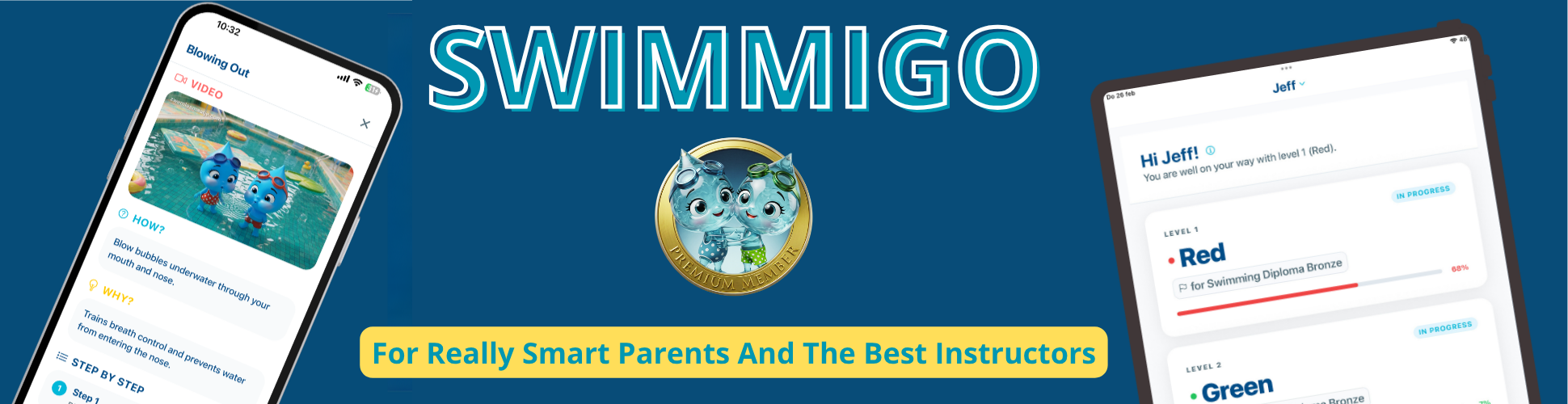
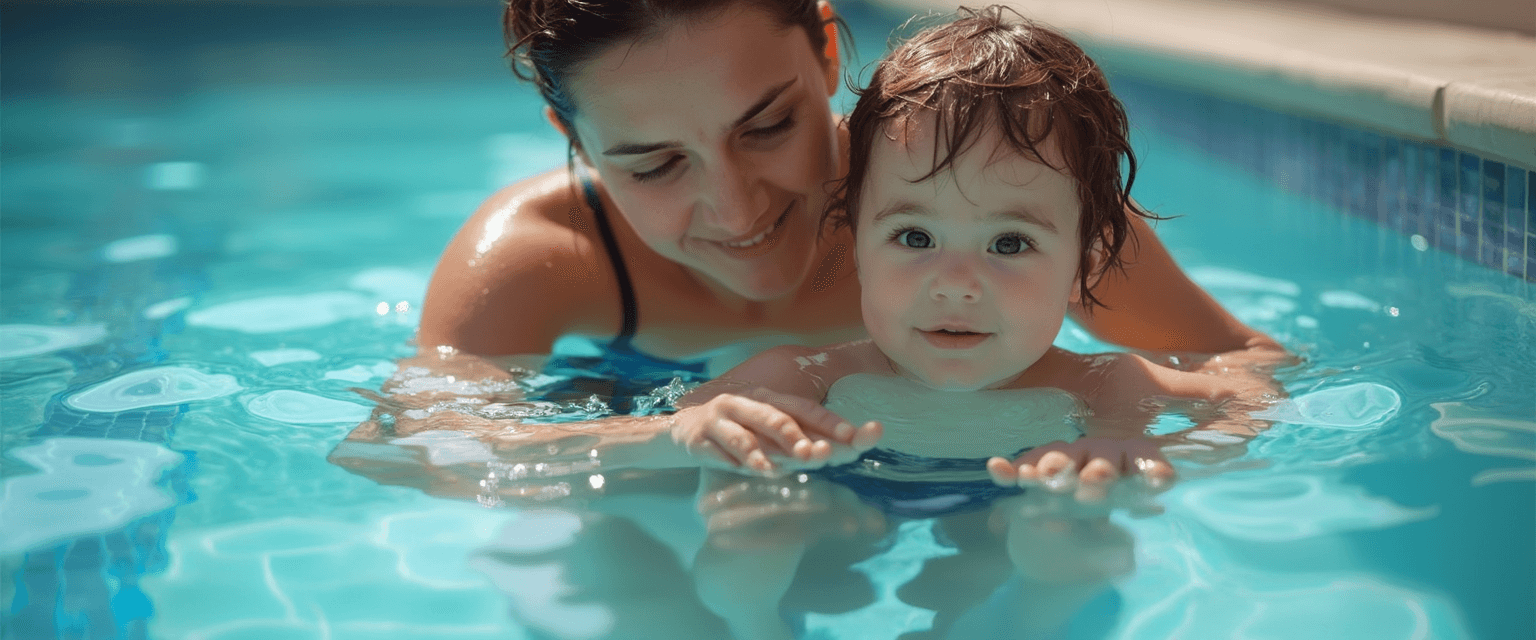
The bathtub is your best ally. A few minutes per bath session are enough to maintain water skills. Let your child blow bubbles with their mouth underwater, float on their back with your hand as support, or retrieve toys from the bottom. It feels like playing, not practicing.
In countries with strong swimming cultures like Sweden and Australia, water familiarization at home is a natural part of upbringing. Dutch families can benefit just as well: a small paddling pool in the garden or a weekend visit to the pool keeps the connection with water alive.
Use the Power of Stories
Children live in stories. A simple "how was swimming today?" yields a standard "fun." But "who made you laugh today while swimming?" or "which exercise felt easiest today?" invites a real conversation. This way, the swimming lesson experience continues at home without feeling like an interrogation.
Show the Progress
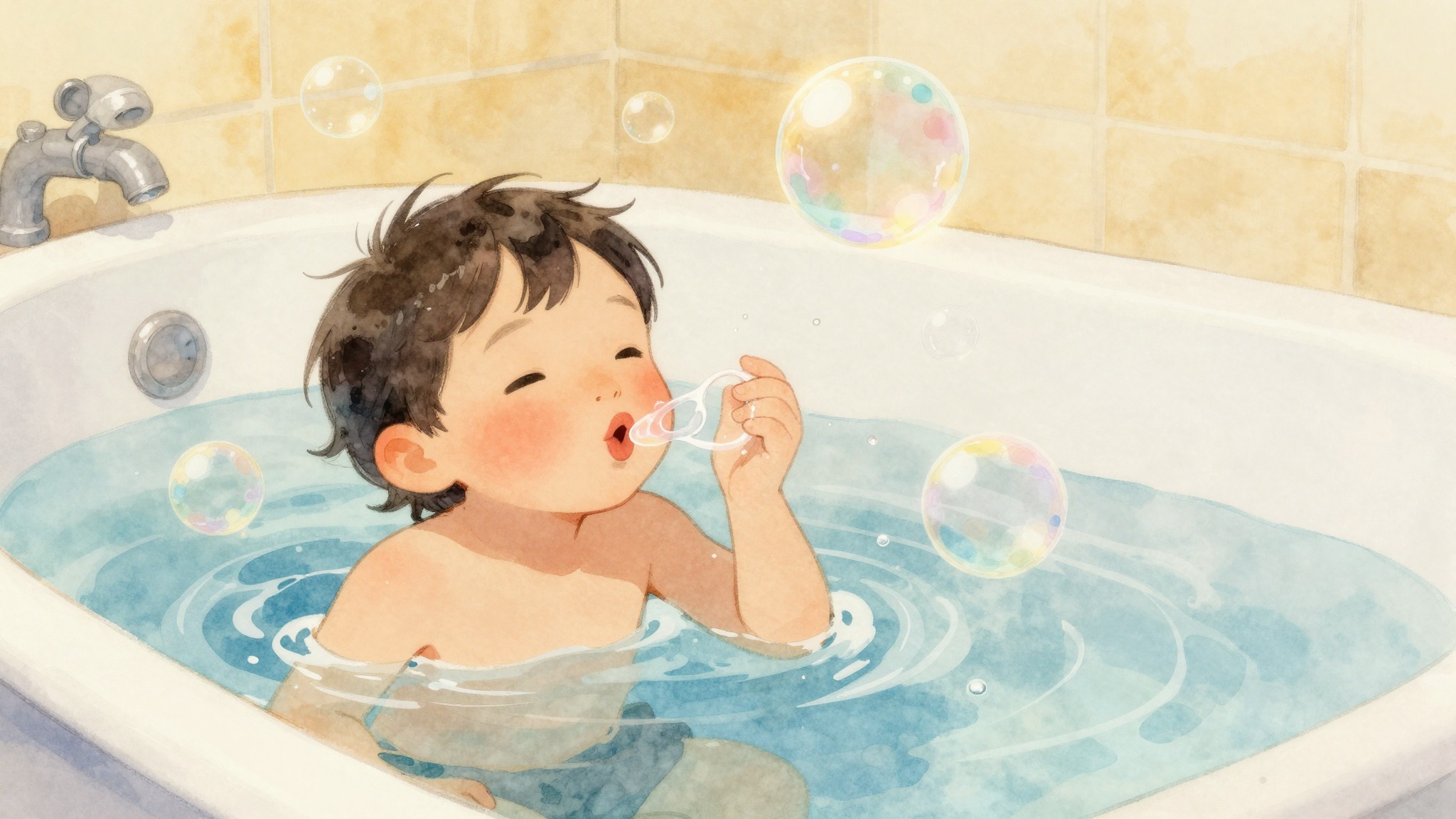
Children are visually oriented. A sticker on the calendar after each swimming lesson, a drawing of what they learned, or a photo report of the diploma adventure makes the journey tangible. Swimmigo’s student tracking system does this digitally: parents see the score per exercise, from 0 to 6 smileys, and the child literally sees how far they are on the way to the next level. The app works in 5 languages, so it’s also suitable for multilingual families.
Talk to the Swimming Instructor
A short two-minute chat after the lesson yields gold. Ask: "What should he practice at home this week?" The instructor can give you a specific tip that matches what was covered in the lesson. Practicing at home becomes purposeful and your child feels that you are part of the swimming adventure.
Make It a Game, Not a Task
"We still have to practice" is the fastest way to provoke resistance. "Shall we play a game in the bath?" works. Hide a diving ring underwater and let your child find it with eyes open. Count together how long you can float. Sing a song while kicking in the water. Anything that feels like a game works.
Celebrate Small Victories
The first time floating independently. The first jump without help. The first length of breaststroke. For an adult, these are intermediate steps; for a child, they are heroic deeds. Make it a moment: a high five after the lesson, a special treat, or just pause together to appreciate what has been achieved.
Give It a Fixed Rhythm
Children love rituals. A fixed moment in the week when you look together at swimming progress, for example on the Swimmigo app, provides structure. The child knows: on Friday evening we check the smileys together. That predictability motivates, even on days when the next swimming lesson still feels far away.
Swimming Lessons Are More Than a Diploma
Remind your child that swimming isn’t just about the certificate. Swimming lessons also mean: making new friends, overcoming fear, getting stronger, and soon confidently entering the sea on vacation. When you emphasize the bigger picture, the pressure to perform disappears and swimming lessons gain lasting meaning.
Show That You Enjoy It Too
Children watch what you do, not what you say. If you see swimming lessons as an obligation that just needs to be done, your child picks up on that perfectly. Join in the water yourself when you go recreational swimming. Show that water is fun, even for grown-ups. Your enjoyment is more contagious than any pep talk.
What If Your Child Really Doesn’t Want To?
Signs That More Is Going On
Sometimes there is more behind loss of motivation than just less enthusiasm. Has there been a change in the lesson group? A new instructor who doesn’t click as well? Is there bullying in the changing room? Or is your child simply tired from a full school week? Ask gently without pushing.
Talking to the Swimming School
An open conversation with the swimming school can bring clarity. Maybe a different group, a different time, or another instructor is the solution. Swimming schools have experience with motivation dips and are happy to think along. Swimmigo’s app makes it easy for instructors to share progress per child, so you can make a plan together.
Conclusion
Motivation for swimming lessons doesn’t start at the pool edge, but at home. By using bath time playfully, talking differently about swimming lessons, and tracking progress together, your child stays enthusiastic between lessons. It doesn’t require hours of free time: a few minutes a day, a curious question, and a fixed ritual make the difference between a child developing reluctance and a child looking forward to the next lesson every week.
Sources
- WHO: Drowning fact sheet, global statistics and prevention advice, 2024
- NRZ: National Council for Swimming Safety, swimming diploma and safety guidelines Netherlands, 2026
- AllesOverZwemles.nl: information platform for parents about swimming lessons in the Netherlands, 2026
- Red Cross: First Aid tips including water safety and drowning prevention, 2026

Bob van Soest
As an expert in operating sports facilities (such as swimming pools) and developer of, among others, Swimmigo.com, I am passionately committed to making swimming lessons simpler, more fun and more insightful for parents, swimming instructors and everyone who wants to learn to swim.
Frequently Asked Questions
Related articles
Why Showering Before Swimming Lessons Is So Important
Why shower before swimming lessons? Discover why hygiene and preparation are crucial for the best swimming experience. Read our tips and avoid surprises!
When to Start Swimming Lessons for Optimal Progress
Read from which age swimming lessons are effective for the best results and safety of your child in the water.
Effectively Registering Swimming Lesson Progress from What Age?
Discover from what age you should best register swimming lesson progress and how to do this practically.
Discover Swimmigo
The all-in-one app for swimming lesson progress. For parents, swim schools, and adult swimmers.