Effectively recording swim lesson progress: from what age?
Summary
- Regularly updating swim lesson progress digitally improves overview and planning.
- Digital systems strengthen communication and provide transparency to parents.
- Early and structured recording optimizes teaching and safety.
It is effective to systematically record swim lesson progress from about 4 to 6 years of age; from that age motor and cognitive development is stable enough to reliably assess learning goals and survival swimming skills. For parents, instructors and swim schools a digital tracking system offers overview and insight, and helps choose between observation, checklists or progress apps.
This gives a clear picture of when and how swim lesson planning and recording work best.
1. Age for recording swim progress
In this chapter you read from what age it is useful to record swim lesson progress. We look at when best to start recording, how age affects progress, and what role survival swimming plays. That gives a clear idea of the right moment to document swim development.
When to start recording?
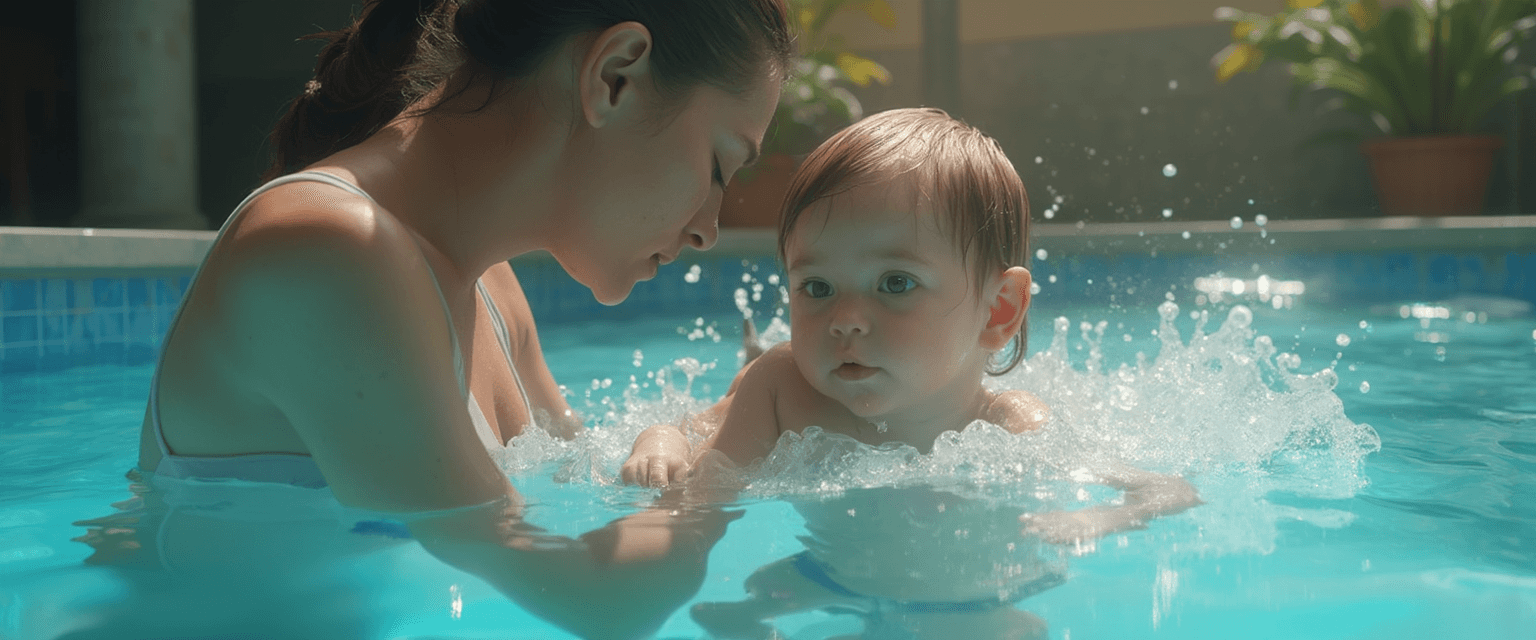
Recording swim lesson progress can begin as soon as children start activities aimed at water familiarization. This is often around 9 months, when survival swimming is offered. From that moment instructors can document important skills and reactions that form the basis for later lessons.
Starting early with recording creates a complete picture of development. That helps tailor teaching to the child. It is less useful to wait until the start of regular lessons around five years, because earlier skills are then missing.
Influence of age on progress
The child’s age affects how progress is measured and interpreted. Young children mainly learn basic skills like floating and breathing under water. These skills differ from the swim techniques older children learn.
Recording should match the developmental stage. For toddlers the focus is on self-reliance and water confidence. As children get older attention shifts to strokes and endurance. That keeps the records relevant and usable.
Survival swimming and age
Survival swimming is a special form of lessons aimed at young children from about 9 months. It teaches them to go under water, calmly roll onto their back and float. These skills increase the chance of survival if they unexpectedly fall into water.
These lessons are short and intensive and complement baby swimming. Survival swimming is not a replacement for regular lessons, but it does provide a valuable foundation. Recording these skills helps make progress in self-reliance visible.
What is Swimmigo?
Swimmigo is an independent app that lets you track, assess and celebrate swim progress, whether you are a parent, an adult learner or an instructor. You are not dependent on the swim school, you stay in control.
For parents the app offers a clear learning path of 7 levels (from Red to Gold) with 86 exercises. You score each exercise with a simple system (0 to 6) and receive a personal swimming certificate for every level achieved. This shows at a glance where your child stands and what still needs work.
Adults who want to learn or improve their swimming use Swimmigo discreetly and without group pressure. The app provides structure, breaks the learning process into manageable steps and helps overcome insecurity. You train at your own pace, when it suits you.
Swim schools and instructors use Swimmigo completely free as a digital system for student administration, schedules and progress. Parents see their child’s development in real time, without extra work for you. A handy Marketing Toolbox also helps you create professional flyers, social posts and certificates.
2. Importance of early recording
Early recording of swim lesson progress matters for the safety and development of young swimmers.
It helps support self-reliance and detect possible problems in time.
In this chapter you read why starting to record at a young age is valuable.
Safety in the transition phase
In the transition phase between walking and starting regular lessons there is an increased risk around water.
By recording progress early, instructors can better track how children handle water safety techniques.
This helps recognize uncertainty or fear about going under water in time.
That allows guidance to be adjusted to increase safety and prevent panic.
Supporting self-reliance
Early recording supports the development of self-reliance in young swimmers.
By monitoring skills like floating and calmly going under water, children gain confidence in the water.
Instructors can then practice specific moments that need extra attention.
This builds a solid foundation for later lessons and increases the child’s comfort in the water.
Recognizing early signals
Recording progress at a young age allows early signs of developmental delays or fear to be recognized.
That makes it possible to offer extra support or adjust the lesson plan in time.
Parents can also be better informed about their child’s situation.
Early recording therefore contributes to an effective and safe swim lesson experience.
3. Recording methods and tools
In this chapter you read about different methods to record swim lesson progress. We compare manual and digital systems and explain how progress software can help. We also give practical tips to keep recording efficient and clear.Manual vs digital systems
Manual recording is often done with pen and paper or simple spreadsheets. This can work for small groups, but is less clear with many students. Digital systems offer more structure and make it easier to view progress quickly.
With digital tools instructors can add notes directly during the lesson. Parents can often view progress online, which improves communication. Using digital systems reduces errors and saves time keeping records.
Using progress software
Progress software such as Swimmigo.com is developed specifically for swim schools and instructors. This software records skills, achieved diplomas and individual goals. That gives a clear overview of each student’s development.
Most programs also offer reports and reminders for follow-up lessons. This helps keep progress up to date and intervene if needed. For parents it is convenient to gain insight into their child’s swim skills via an app or portal.
Practical tips for recording
Start with a fixed recording system that is easy for everyone involved to use. Make sure instructors write short, clear notes during or immediately after the lesson. This prevents important information from being lost.
Where possible use standard lists of skills to measure progress. Schedule regular moments to evaluate the data and discuss it with parents. That keeps records current and functional.
Swimmigo · Swim lesson app
Free for parents
Follow your child's swimming progress, see where you stand and report absences in the app.

4. Communication with parents
Good communication with parents is essential when recording swim lesson progress. Sharing clear information helps parents understand their child’s development.
Involving parents strengthens cooperation between swim school and family. Finally, advice on practicing at home provides practical tools to support skills.
Sharing information about progress
It is important to inform parents regularly about their child’s progress. This can be done via digital reports or short talks after class.
Giving concrete examples, such as which skills the child masters, creates a clear picture. Using a clear progress system makes this information accessible and understandable.
That way parents know exactly where their child stands and what steps follow. This prevents confusion and builds trust in the learning process.
Involving parents in development
Actively involving parents in swim development boosts the child’s motivation. By sharing goals and achievements parents feel more connected to the process.
A practical way is to organize short evaluation moments where parents can ask questions. This encourages an open dialogue and makes collaboration on improvements possible.
Parents can also better judge when extra support or practice is needed. This contributes to a consistent approach between lessons and home.
Advice for practicing at home
Advice for home practice helps parents strengthen their child’s swim skills. It is useful to offer simple exercises that match the child’s age and level.
Examples include practicing floating or breathing exercises in shallow water under supervision. This increases confidence and makes lessons more effective.
Regular repetition at home supports learning and leads to better mastery of skills. It is important that parents know how to do this safely and enjoyably.
5. Follow-up after the first recording
After the first recording of swim lesson progress it is important to update this data regularly. This helps follow the child’s development and plan appropriate follow-up lessons. It also provides insight into long-term progress and retention of skills.
Updating progress regularly
Regularly updating progress provides a current overview of swim skills. This can be done after each lesson or every few weeks, depending on lesson frequency. By recording new skills and improvements the learning process stays transparent. Instructors and parents can then offer targeted support when needed.
A practical approach is to record progress digitally so data is easy to access and supplement. This prevents important information from getting lost and makes it easier to spot trends. Tracking small steps also motivates the child to keep practicing.
Follow-up lessons and exercises
Follow-up lessons are essential to reinforce and expand acquired swim skills. After the first recording an instructor can recommend targeted exercises that match the child’s level. This helps improve weaknesses and introduce new techniques.
Exercises can range from floating and breathing to climbing out of the water independently. By scheduling these in a structured way the child stays motivated and water safety improves. Parents also gain a better understanding of which skills to practice at home.
Monitoring long-term development
Monitoring long-term development is important to maintain swim skills sustainably. Swimming is a skill that needs regular practice to avoid losing it. By periodically evaluating progress, any decline can be detected in time.
This can be done with semi-annual or annual evaluations. That gives a complete picture of swim development over several years. This approach supports a safe and confident swim experience for the child in the long term.

Summary
Summary
Regularly updating swim lesson progress is essential for a good overview of development. This helps plan appropriate follow-up lessons and retain swim skills.
Recording progress digitally keeps data accessible and makes it easy to spot trends. This supports both instructors and parents in providing targeted help.
Why a digital tracking system helps
Good communication with parents is strengthened by clear and regular information about swim lesson progress. Digital reports and clear systems make development visible and transparent.
Digital systems offer more structure than manual methods. They reduce errors, save time and allow notes to be added directly during lessons.
Early recording of swim lesson progress, already from the water familiarization phase, gives a complete picture of development. This makes it possible to better tailor teaching to the child and increase safety.
You can try Swimmigo for free via swimmigo.com.
Sources

Bob van Soest
As an expert in operating sports facilities (such as swimming pools) and developer of, among others, Swimmigo.com, I am passionately committed to making swimming lessons simpler, more fun and more insightful for parents, swimming instructors and everyone who wants to learn to swim.
Frequently Asked Questions
Related articles
When to start swimming lessons for optimal progress
Read from what age swimming lessons are effective for the best results and your child’s safety in the water.

Efficiently record swimming lesson progress per group
Practical tips for tracking swimming lesson progress per group for parents and instructors.
Recording swimming lesson progress for fear of water
Read how to responsibly track swimming lesson progress for children and adults with a fear of water.
Discover Swimmigo
The all-in-one app for swimming lesson progress. For parents, swim schools, and adult swimmers.