Register swim performances clearly per swim lesson group
Summary
- A digital tracking system provides a current overview of swim lesson progress.
- Good communication with parents improves involvement and practice at home.
- Grouping by level increases enjoyment and learning outcomes.
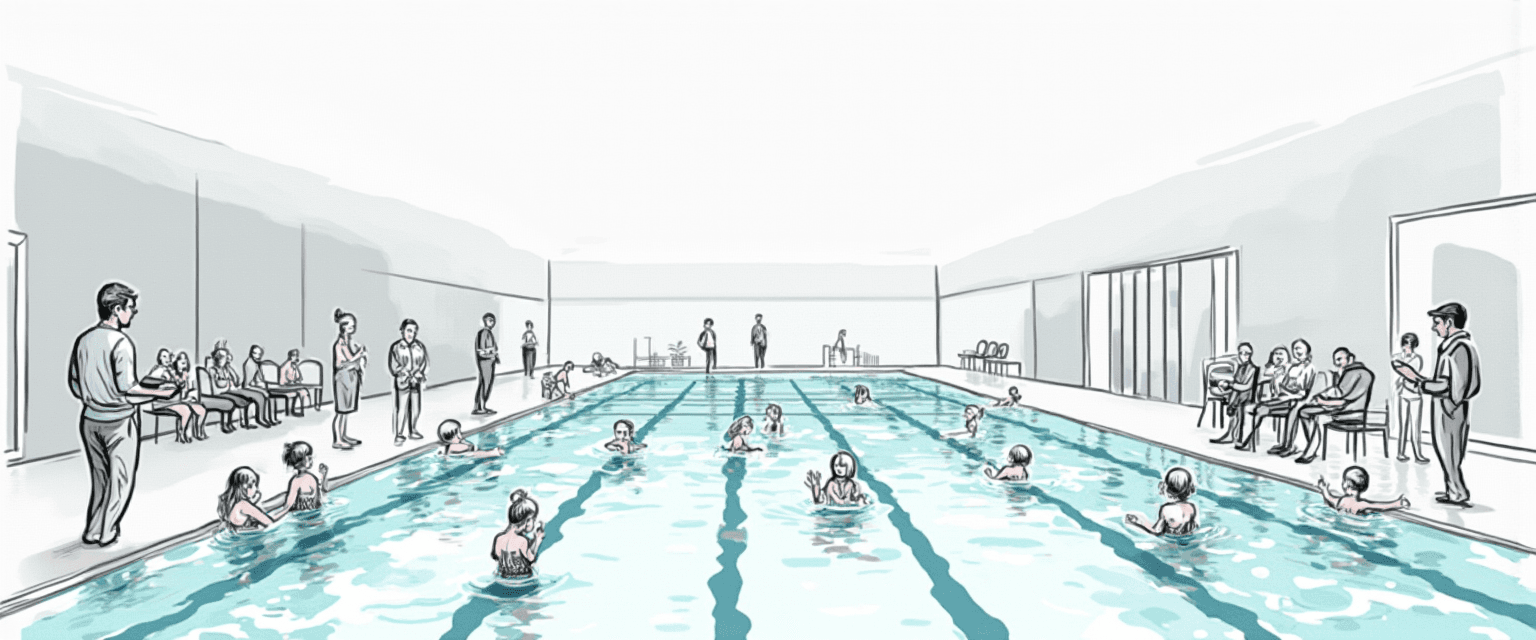
Use a digital tracking system that records swim performances per lesson group and shares them with instructors and parents. Combine this with standardized test forms and group overviews to record levels, progress and test results unambiguously. That makes it easier to tailor lessons at group level and improve communication with parents.
The focus is on practical applications and benefits of a structured approach, so every swim lesson group can be followed effectively.
1. Why record swim lesson progress?
Recording swim performances per lesson group brings clear benefits for instructors and parents. It supports a safe and motivating learning environment. This section explains why this type of recording matters.
Benefits for instructors
For instructors, keeping track of swim lesson progress is essential to tailor lessons well. It provides insight into which skills are already mastered and where extra attention is needed. That way they can practice purposefully and adapt the curriculum to the group's level.
It also helps to monitor the progress of multiple swimmers at once. This prevents swimmers from moving through the material too quickly or too slowly. A structured record supports an efficient lesson structure.
Importance for parents
Parents get a clear picture of their child's development through progress tracking. This builds trust in the lessons and encourages involvement. With clear information they can also better support practice at home.
Transparency about progress makes it easier to consult with the instructor. That creates good cooperation that positively affects the learning process. Parents then feel more connected to the swim journey.
Safety and motivation
Safety in swim lessons is strengthened by insight into each swimmer's skills. Instructors can prevent children from being exposed to exercises that are still too difficult. This contributes to a safer learning environment.
Recording performances also works as a motivator. Swimmers see their progress and experience success. This encourages them to participate actively and to persevere during lessons.
What is Swimmigo?
Swimmigo is an independent app that lets you track, assess and celebrate swim progress, whether you are a parent, an adult swimmer or an instructor. You are not dependent on the swim school, but remain in control.
For parents the app offers a clear learning path of 7 levels (from Red to Gold) with 86 exercises. You score each exercise with a simple system (0 through 6) and receive a personal swim certificate for every completed level. That way you see at a glance where your child stands and what still needs work.
Adults who want to learn or improve swimming use Swimmigo discreetly and without group pressure. The app provides structure, breaks the learning process into manageable steps and helps overcome uncertainty. You train at your own pace, when it suits you.
Swim schools and instructors use Swimmigo completely free as a digital system for student administration, schedules and progress. Parents see their child's development in real time, without work for you. A handy Marketing Toolbox also helps you create professional flyers, social media posts and certificates.
2. Ways to record progress
There are different ways to record swimmers' progress. Traditional methods use paper notes and conversations. Digital tools offer extra options for overview and efficiency.
This paragraph discusses the main features and benefits of both approaches.
Traditional methods
Traditional methods for progress recording often consist of paper logs, score cards and handwritten notes during the lesson. Instructors note individual performances and use this data to communicate with parents later. Regular conversations or written reports provide transparency and involvement.
This approach requires a structured working method and discipline to keep data up to date and clear. Although less automated, it remains a practical solution, especially when digital tools are not available. It provides a tangible way to document performance and can be easily adapted to the specific situation of the lesson group.
Digital tools
Digital tools such as apps and software make it easier and clearer to record swim performances. They offer real-time insight into the progress of individual swimmers and groups. With digital systems instructors can quickly enter and analyze data.
These tools often support uniform formats and offer visual overviews, such as charts and progress bars. This helps spot trends and identify points of attention. In addition, parents can follow along directly via an app, which strengthens communication. Digital tools save time and reduce errors through automated reports and reminders.
Benefits of systems
Progress tracking systems offer clear advantages over manual methods. They provide a structured and uniform approach, making data easier to compare. This makes it simpler to adapt lessons to the needs of the group and individual swimmers.
Digital systems also improve transparency towards parents and swimmers. Real-time updates and clear reports increase involvement and motivation. These systems also support the administration of swim schools, for example in planning and marketing. A good system thus contributes to more efficient teaching and better learning outcomes.
3. Recording per lesson group
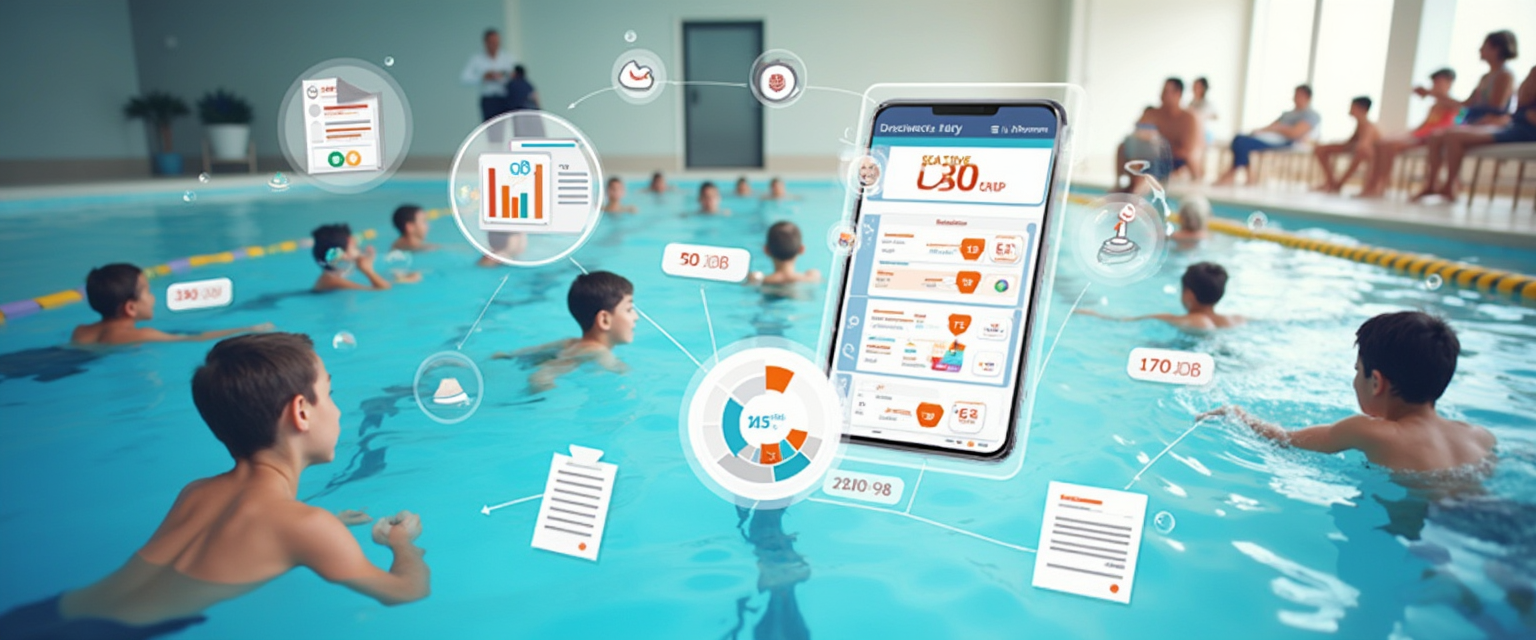
Recording swim performances per lesson group helps keep an overview and better tailor lessons.
This chapter discusses grouping by level or age, tracking individual and group results, and using uniform recording formats.
That way you get a clear and structured picture of progress within each group.
Grouping by level or age
Fun and learning outcomes improve when groups are arranged logically.
This can be based on age, but also on skill level.
By bringing swimmers with similar skills together, instructors can better tailor the curriculum.
A group of six-year-old beginners, for example, requires a different approach than a group of teenagers working on advanced techniques.
Individual and group results
It is important to record both individual performances and group results.
Individual data provide insight into personal growth and points of attention.
Group results help spot trends and adjust lesson content.
For example, an instructor might see that a particular exercise needs extra attention for the whole group.
Uniform recording formats
Uniform recording formats provide clarity and consistency in tracking progress.
Using fixed tables or digital templates makes comparing results easier.
This prevents confusion and speeds up data entry.
A standard format also helps when sharing information with parents and colleague instructors.
Swimmigo · Swim lesson app
Free for parents
Follow your child's swimming progress, see where you stand and report absences in the app.


4. Improve communication with parents
Good communication with parents is essential for successful swim lessons. This chapter discusses how regular reports, transparency and parental involvement improve cooperation. That builds more trust and support outside the pool.
Regular progress reports
Providing regular progress reports helps parents gain insight into their child's development. These reports can be shared digitally or on paper and contain clear information about achieved skills and points of attention.
By scheduling fixed reporting moments, parents know when to expect updates. This encourages structured communication and prevents misunderstandings. One example is sending a monthly update via an app or email.
That way parents can practice at home in a targeted way and support what was learned. This contributes to better progress and motivation for the swimmers.
Transparency and trust
Transparency in communication strengthens trust between parents and instructors. By being open about learning goals and progress, parents better understand what is expected of their child.
Sharing concrete examples from lessons makes the information tangible. For example, naming a new swimming technique that has been taught or a diploma that is almost within reach.
This openness prevents ambiguity and encourages a positive collaboration. Parents then feel more involved in their child's learning process.
Involving parents in learning
Actively involving parents in the learning process increases swimmers' motivation. By informing them about lesson content and goals, they can support practice at home in a targeted way.
A practical method is sharing tips for exercises that parents can do together with their child. This increases involvement and makes learning more effective.
In addition, parents can easily follow progress and ask questions to the instructor via digital systems. This promotes an open dialogue and a joint approach.
5. Tips for effective use of tracking
Here you read how to make optimal use of recording swim performances. It covers the importance of regular updates, involving swimmers themselves and using the records for lesson planning. That ensures a clear and effective approach within each lesson group.
Update consistently and on time
It is important to update swimmers' progress consistently and in a timely manner. This prevents information from becoming outdated and provides a current overview. For example, after each lesson instructors can enter or update notes immediately. That way the overview remains reliable and useful for everyone.
A fixed routine helps here, such as entering results immediately after the lesson or at the end of the day. This prevents important details being forgotten. In addition, a clear structure in the recording contributes to clarity. Think of fixed codes or symbols for skills that are easy to recognize.
Encourage swimmer input
Involving swimmers in the recording process increases their motivation and awareness of their own development. This can be done by having them review or discuss achieved goals regularly. That way they feel more ownership of their learning process.
Giving small rewards or certificates when a level is reached also encourages participation. Instructors can encourage swimmers to give feedback about their experiences and goals. This fosters an active attitude and makes the recording more lively.
Use records for planning
Recorded data are a valuable tool for lesson planning. By insight into group progress instructors can better determine which skills need extra attention. This prevents swimmers from staying too long on the same exercises.
It also helps align lesson content and pace with the group's level. For example, if a group is almost ready for a diploma, planning can focus on the final skills. That makes lessons more efficient and better aligned with swimmers' needs.

Summary
Summary
A digital tracking system helps to regularly and structurally keep track of swim performances. This provides a current and reliable overview of swim lesson progress.
By using fixed routines and clear codes, the recording stays clear and useful for instructors and parents.
Why a digital tracking system helps
Good communication with parents improves cooperation and involvement in swim lessons. Regular progress reports give parents insight into their child's development.
Scheduling fixed moments for reporting provides structured communication and supports practice at home.
Grouping swimmers by level or age makes it possible to better tailor lessons. This increases fun in the water and learning outcomes.
A digital tracking system offers advantages over traditional methods. It makes it easier to record and analyze individual and group results.
For instructors, keeping track of swim lesson progress is essential to plan lessons purposefully and efficiently. The system prevents swimmers from moving too quickly or too slowly through the curriculum.
A structured record supports a safe and motivating learning environment for all swimmers.
You can try Swimmigo for free via https://swimmigo.com.
Sources

Bob van Soest
As an expert in operating sports facilities (such as swimming pools) and developer of, among others, Swimmigo.com, I am passionately committed to making swimming lessons simpler, more fun and more insightful for parents, swimming instructors and everyone who wants to learn to swim.
Frequently Asked Questions
Related articles
When to start swimming lessons for optimal progress
Read from what age swimming lessons are effective for the best results and your child’s safety in the water.
Effectively recording swim lesson progress: from what age?
Find out from what age it makes sense to record swim lesson progress and how to do that in practice.

Efficiently record swimming lesson progress per group
Practical tips for tracking swimming lesson progress per group for parents and instructors.
Discover Swimmigo
The all-in-one app for swimming lesson progress. For parents, swim schools, and adult swimmers.