Keeping track of swimming lesson progress calmly as a parent

Summary
- Parents plan time, energy and keep good communication with the swim school to track progress effectively.
- Set short- and long-term goals together with instructors for clarity and motivation.
- Keep motivation with playful exercises, variety and a fixed lesson routine.
You can calmly track your child’s swimming lesson progress with a digital tracking system, combined with a structured lesson plan and clear communication with instructors. That makes the development of swimming skills visible, reduces stress caused by busy schedules, and supports the child’s motivation and routine.
This gives you a clear view of progress without extra stress or uncertainty.
1. Why motivation drops
Motivation for swimming lessons can fade over time for different reasons. Below you find causes of reduced motivation, the influence of fatigue and busy schedules, and the importance of understanding group dynamics. This helps you see why children sometimes become less enthusiastic.
Causes of reduced motivation
A common cause of reduced motivation is that children sometimes feel insecure about their swimming skills. This can happen when they feel they are not keeping up with the group. The length of the learning path also plays a role, since it often takes a long time to earn a diploma. Enthusiasm can therefore slowly decline.
The repetitive nature of lessons can also lower interest. Children sometimes need variety to stay motivated. It is important to recognise these causes and respond to them in an appropriate way.
Influence of fatigue and busy schedules
Fatigue and a busy agenda can strongly affect motivation. When children come straight from school or other activities, they are sometimes too tired for swimming lessons. This can lead to resistance or lower effort during the lesson. Being hungry or having eaten too much can also affect energy levels.
Parents can respond by providing a light snack and ensuring enough rest before the lesson. That prepares the child better and helps keep motivation. Scheduling lessons at a suitable time is therefore a practical step.
Understanding group dynamics
Group dynamics strongly influence how children experience the lesson. In large groups children can quickly feel insecure or overwhelmed. That can lower motivation, especially if they feel they do not get enough attention. Social tensions within the group can also arise.
Understanding these group influences helps parents and instructors respond better. Small groups or private lessons can be a solution for children who struggle in large groups. This makes the lesson a more pleasant and motivating experience.
What is Swimmigo?
Swimmigo is an independent app that lets you track, assess and celebrate swimming progress, whether you are a parent, adult learner or instructor. You are not dependent on the swim school, you stay in control yourself.
For parents the app offers a clear learning path of 7 levels (from Red to Gold) with 86 exercises. You rate each exercise with a simple scoring system (0 to 6) and receive a personal swimming certificate for each completed level. That way you see at a glance where your child stands and what still needs work.
Adults who want to learn or improve their swimming use Swimmigo discreetly and without group pressure. The app provides structure, divides the learning process into manageable steps and helps overcome insecurity. You train at your own pace, when it suits you.
Swim schools and instructors use Swimmigo completely free as a digital system for pupil administration, schedules and progress. Parents see their child’s development in real time, without you having extra work. A handy Marketing Toolbox also helps you create professional flyers, social media posts and certificates.
2. The importance of a routine
A regular routine around swimming lessons helps children feel safe and familiar.
Fixed times, recognisable rituals and predictability reduce resistance.
This section explains why a routine matters and how it contributes to a calm swimming lesson experience.
Fixed times and structure
Scheduling lessons on fixed days and times gives children clarity.
They know what to expect and when to prepare.
This structure prevents last-minute stress and makes it easier to fit swimming into the weekly rhythm.
For example, a lesson every Wednesday afternoon makes it a regular part of the week.
Rituals before the lesson
Rituals before the lesson create recognition and calm for children.
Examples include packing swim gear together or having a fixed moment for a drink before the lesson.
Such habits make the transition to the lesson predictable and less exciting.
A child can concentrate better and feels more comfortable at the pool.
Safety through predictability
Predictability contributes to a sense of safety during lessons.
Children know what will happen and experience less uncertainty.
This reduces resistance and promotes a positive attitude toward the lesson.
A fixed routine also helps regulate emotions, which supports learning.
3. Keep it playful and fun
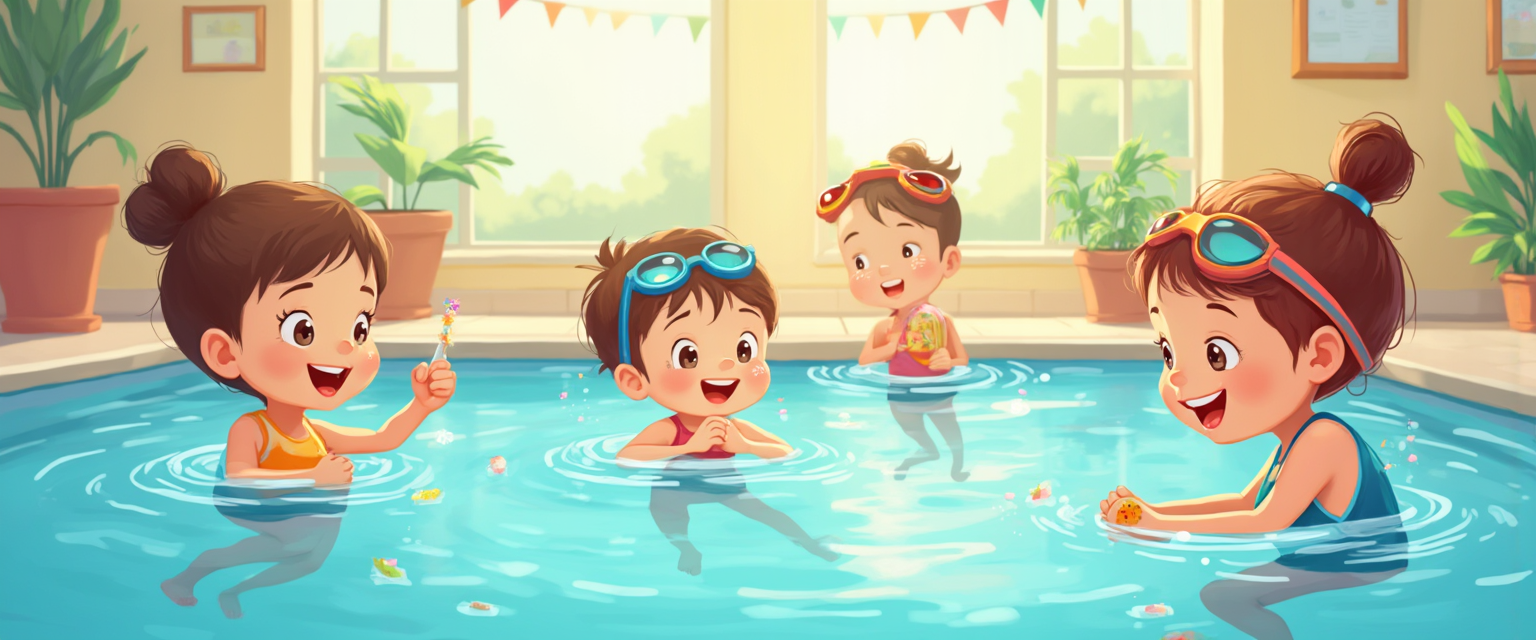
This section explains how to keep swimming enjoyable and appealing for children. You learn about the value of playful exercises, swimming with friends and the use of small rewards. That helps maintain motivation naturally.
Games and favourite exercises
Adding games and favourite exercises keeps swimming fun and challenging. Children can, for example, choose which exercises they prefer during the lesson. That gives them a sense of influence and pleasure.
Game formats like relays or water polo elements make the lesson varied. Practising skills becomes less boring and more of an adventure. This helps children keep practising with enthusiasm.
Swimming with friends
Swimming with friends increases motivation and enjoyment during lessons. Children often feel more confident and comfortable in a familiar group. This can also strengthen social skills.
Parents can encourage children to go to lessons together or be in the same group. That makes lessons more fun and helps them stay motivated. Friendship can have a positive influence on learning.
Rewards for effort
Small rewards for effort and perseverance encourage children to keep going. These can be stickers, compliments or a small gift. It is primarily about recognising the effort, not only the result.
Regular appreciation makes children feel seen and motivated. That boosts their confidence and makes practice more enjoyable. Swimming becomes a positive experience they want to continue.
Swimmigo · Swim lesson app
Free for parents
Follow your child's swimming progress, see where you stand and report absences in the app.


4. Setting and tracking goals
This section describes how parents can set and track goals for swimming lessons. You read how cooperating with instructors helps align these goals. You will also see how the child’s progress can be made visible.
Short- and long-term goals
It is important to formulate both short- and long-term goals for lessons. Short goals might be mastering a specific stroke. Long-term goals focus on earning a diploma or increasing confidence in the water.
Having these goals clear makes the learning process more manageable. It helps children make step-by-step progress, keeping it achievable and motivating.
Working with instructors
Good cooperation with the swim teacher is essential to make goals realistic and suitable. Instructors know the child’s level and possibilities best. They can advise which skills should be prioritised and when it is time for the next step.
By keeping regular contact, parents and instructors can align expectations. This prevents confusion and creates a shared approach. Lessons stay tailored to the child’s needs.
Making progress visible
Keeping track of progress makes the learning process visible and clear. Digital systems or a simple notebook can help. Parents can then see which skills are mastered and where more attention is needed.
By regularly discussing progress with the child and the instructor, everyone stays involved. This encourages the child to stay motivated and gives parents confidence in the process. Clear progress tracking also helps set new goals.
5. Dealing with challenges
This section shows how parents can handle practical challenges around swimming lessons.
You will read about planning time and energy, options for large groups and the importance of clear communication with the swim school.
That gives you tools to track progress calmly and effectively.
Time and energy management
Scheduling lessons requires attention to the child’s available time and energy.
Make sure the child is not too tired or hungry before the lesson, for example by offering a light snack.
Be aware of other activities and avoid overly busy days around lesson times.
A calm preparation helps the child participate with more pleasure and focus.
Alternatives for large groups
Group lessons can sometimes be overwhelming, especially when many children are present.
If the child struggles with group dynamics, a smaller group or private lesson can be a good alternative.
These options offer more personal attention and can increase confidence.
Ask the swim school about available lesson formats that better suit your child’s needs.
Communication with the swim school
Open and clear communication with the swim school is important to follow progress well.
Discuss regularly with the instructor how things are going and which goals are realistic.
That way you can agree on what works best for the child and address any concerns in time.
This promotes a positive cooperation and supports the learning process.

Summary
Summary
Parents gain tools to track swimming lesson progress calmly and effectively. Planning time, energy and maintaining clear communication with the swim school are essential.
A child should not be too tired or hungry for the lesson. A light snack and calm preparation increase enjoyment and focus.
Setting goals and tracking progress
It is important to formulate short- and long-term goals for lessons. This makes the learning process clear and motivating for children.
Cooperating with instructors helps align goals. That makes tracking progress manageable and achievable.
Maintaining motivation and routine
Playful exercises and swimming with friends keep swimming fun and challenging. Variety prevents children from becoming less enthusiastic.
A fixed lesson routine provides clarity and reduces stress. That contributes to a calm and familiar lesson experience.
You can try Swimmigo for free via https://swimmigo.com.
Thank you for reading and for sharing your experiences.
Sources

Bob van Soest
As an expert in operating sports facilities (such as swimming pools) and developer of, among others, Swimmigo.com, I am passionately committed to making swimming lessons simpler, more fun and more insightful for parents, swimming instructors and everyone who wants to learn to swim.
Frequently Asked Questions
Related articles
When to start swimming lessons for optimal progress
Read from what age swimming lessons are effective for the best results and your child’s safety in the water.
Effectively recording swim lesson progress: from what age?
Find out from what age it makes sense to record swim lesson progress and how to do that in practice.

Efficiently record swimming lesson progress per group
Practical tips for tracking swimming lesson progress per group for parents and instructors.
Discover Swimmigo
The all-in-one app for swimming lesson progress. For parents, swim schools, and adult swimmers.