Choosing the right swim instructor for swim lesson planning
Summary
- Digital tracking system improves lesson planning and progress monitoring.
- Qualified swim instructors provide safe and effective lessons.
- Clear communication strengthens trust between instructors, parents and swimmers.
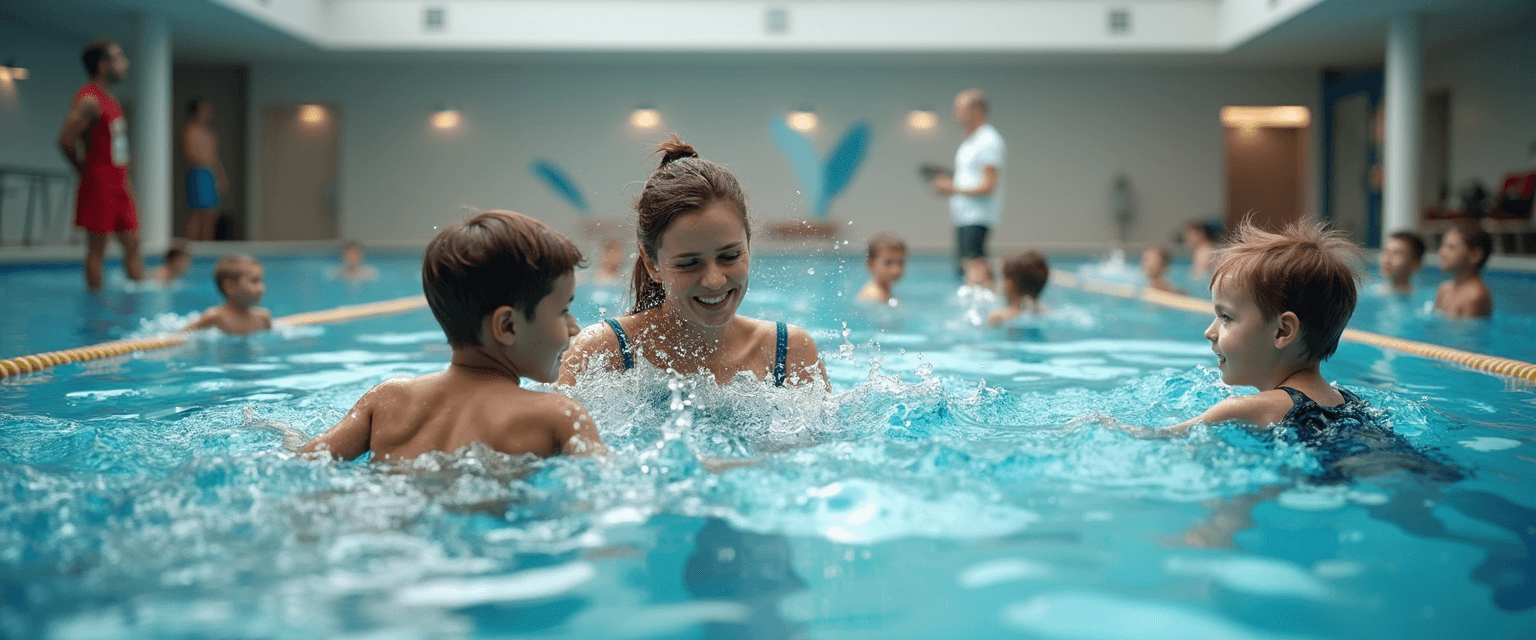
Choose a swim instructor with proven experience and a valid certification who communicates clearly, motivates students and plans lessons systematically. Select based on clear criteria and trial lessons, and use digital tools and regular further training to improve progress.
This gives a clear picture of how a good swim instructor contributes to successful lesson planning and optimal learning outcomes.
1. Requirements for swim instructors
When choosing a swim instructor it is important to look at certifications, safety and experience. These three aspects form the foundation for quality swim lessons. This chapter explains the requirements a swim instructor must meet.
Certifications and diplomas
A swim instructor should have the right certifications and diplomas. These show that the instructor meets national standards for water safety and teaching. For example, the Lesgever Zwem-ABC certification is a recognized diploma that demonstrates someone can teach children to swim safely.
These certificates are issued after successfully completing theory, practical exams and an internship period. That way you can be sure the swim instructor is competent and works according to the guidelines.
Safety and first aid knowledge
Safety is an essential part of swim instruction. That is why knowledge of first aid and resuscitation is mandatory for swim instructors. This ensures they can act appropriately in case of an incident in or around the water.
It is also important that they are aware of the latest safety protocols. That way they can identify and prevent risks during lessons. This contributes to a safe learning environment for all swimmers.
Practical teaching experience
Practical teaching experience is indispensable for a good swim instructor. Through experience an instructor learns how to convey material clearly and effectively. They also develop skills to respond to different levels and needs of swimmers.
Experience also helps in recognizing learning progress and adjusting the teaching method. This gives swimmers the right guidance to improve step by step.
What is Swimmigo?
Swimmigo is an independent app that lets you track, assess and celebrate swimming progress, whether you are a parent, an adult learner or an instructor. You are not dependent on the swim school, but remain in control yourself.
For parents the app provides a clear learning path of 7 levels (from Red to Gold) with 86 exercises. You score each exercise with a simple system (0 to 6) and receive a personal swimming certificate for each level achieved. This shows at a glance where your child stands and what still needs work.
Adults who want to learn or improve their swimming use Swimmigo discreetly and without group pressure. The app offers structure, breaks the learning process into manageable steps and helps overcome insecurity. You train at your own pace, when it suits you.
Swim schools and instructors use Swimmigo completely free as a digital system for student administration, schedules and progress. Parents can see their child’s development in real time, without extra work for you. A handy Marketing Toolbox also helps you create professional flyers, social media posts and certificates.
2. Importance of swim lesson planning
Good swim lesson planning is essential to achieve clear learning goals.
It provides structure in the lessons and makes it possible to track swimmers' progress.
In addition, the plan can be adapted to the individual needs of children.
Setting lesson goals
Defining lesson goals is the foundation of an effective swim lesson plan.
These goals direct what a swim instructor aims to achieve per lesson or series of lessons.
For young children that can be learning the correct breathing technique.
For older children the goal can be to obtain a certain diploma or to improve a specific stroke.
Structure and progress
A clear structure in the swim lesson helps both the instructor and the swimmers.
By evaluating progress regularly, the swim instructor can see which skills are already mastered.
This makes it possible to adjust lessons and offer new challenges.
That way the learning process remains clear and goal-oriented.
Adapting to children
Each swim lesson must match the child's abilities and pace.
A good plan takes into account differences in age, experience and motivation.
By being flexible, the swim instructor can respond to the needs of each child.
This increases enjoyment and the effectiveness of the lessons.

3. Qualities of a good instructor
A good swim instructor has specific qualities that support the learning process. Communication, motivation and the ability to observe progress are essential. This chapter discusses these three important traits of an effective instructor.
Communication with students
A swim instructor must be able to communicate clearly and understandably with students of different ages. This means instructions are simple and concrete, so children and adults know exactly what is expected of them.
It is also important that the instructor listens well to questions and signals from students. That way they can adjust the lesson to the needs and pace of each learner. Clear communication builds trust and creates a pleasant lesson environment.
Motivating and guiding
Motivating is a core quality of a swim instructor. By giving positive feedback the instructor encourages students to persevere, even when something seems difficult. This helps boost confidence and keeps swimming enjoyable.
A good guide pays attention to individual development and adjusts the approach where needed. For example by celebrating small successes or giving extra explanation for difficult exercises. That keeps motivation high and the learning process smooth.
Observing and evaluating
Observing is crucial to properly assess each student's progress. A swim instructor watches not only technical skills, but also posture and behavior in the water. This helps give targeted feedback and adjust the curriculum.
Regular evaluation ensures swimmers practice at the right level. For example by keeping a digital tracking system where development is visible. That lets the instructor make timely adjustments and optimize lesson planning.
Swimmigo · For swim schools
Run your swim school fully digital
Students, schedules, absences and parent communication in one app, with your own rates and branding.

4. Selection process for swim instructors
The selection process for swim instructors consists of several important steps. First it is essential to carefully check candidates' background and references. Trial lessons can then help assess practical skills. Finally it is important that instructors continue to develop through further training.
Screening and references
Thorough screening of swim instructors starts with checking their references and previous work experience. This gives insight into their reliability and teaching quality. It is also useful to contact former employers or colleagues for an objective view. That way you avoid surprises and choose an instructor who fits the swim school or lesson group.
A background check can also be part of this process, especially when working with children. This contributes to a safe and trusted learning environment. It is wise to set up this step systematically within the hiring policy.
Conducting trial lessons
Trial lessons provide a practical way to assess a swim instructor's skills. During such a lesson you can see how the instructor communicates and handles different levels. This gives a realistic picture of lesson quality and interaction with swimmers.
Pay attention to the lesson structure and how the instructor gives feedback. A good trial lesson also helps determine whether the instructor's style matches the swim school's vision. That allows you to make an informed choice.
Ongoing further training
Continuous further training is essential to keep swim instructors up to date with new teaching methods and safety standards. Regular trainings ensure they keep improving their skills. This benefits the quality of the swim lessons.
Further training also boosts motivation and engagement with the work. It is advisable to set up a training plan and make this part of personnel policy. That way the team stays professional and knowledgeable.
5. Support and development
This chapter explains how support and development contribute to the success of swim instructors. We look at using digital lesson planning software, the importance of targeted feedback and coaching, and continuous learning for instructors. That gives you insight into practical tools and methods to improve the quality of swim lessons.
Use of lesson planning software
Digital lesson planning software helps swim instructors plan and track lessons clearly. With it they can easily record lesson goals and monitor each student's progress. This makes it possible to quickly adjust when a student needs extra attention. In addition the software provides a structured approach, making lessons more efficient.
An example is the automatic generation of lesson overviews that instructors can use during class. That keeps the focus on content rather than administrative tasks. Parents can also gain insight into their child's development through a digital system. This improves communication between swim school, instructor and parents.
Feedback and coaching
Regular feedback and coaching are essential for the professional growth of swim instructors. Through observations and evaluations strengths can be reinforced and areas for improvement addressed. This often happens in personal meetings or group sessions.
Coaching helps instructors improve their didactic skills and better respond to the needs of different students. For example by giving tips on motivating children or adapting exercises. That keeps the quality of swim lessons high and well matched to the target group.
Continuing to learn
Continuous learning is important for swim instructors to stay up to date with new insights and methods. This can be done through courses, workshops or reading professional literature. By regularly acquiring new knowledge, instructors can keep improving their lessons.
Learning also boosts the instructor's motivation and engagement. An example is training on water safety or using digital tools. Ongoing development contributes to a professional and safe swim lesson environment.

Summary
Summary
Support and development of swim instructors improve the quality of swim lessons. Digital lesson planning software helps plan and track lessons and student progress.
The selection process for swim instructors includes checking references, trial lessons and further training. This ensures reliable and qualified instructors.
Effective swim instructors have good communication, motivation and observation skills. Clear communication builds trust and creates a pleasant lesson environment.
Good swim lesson planning provides structure and makes it possible to achieve lesson goals. The plan can be adjusted to the individual needs of swimmers.
Certifications, safety and experience are essential when choosing a swim instructor. Qualified instructors meet national standards and guidelines.
Why a digital tracking system helps
A digital tracking system makes it easy to record lesson goals and monitor swim lesson progress. This provides a structured and efficient approach to swim lessons.
Instructors can quickly make adjustments with the system and parents gain insight into their child's development. This improves communication between swim school, instructor and parents.
You can try Swimmigo for free via https://swimmigo.com.
Sources

Bob van Soest
As an expert in operating sports facilities (such as swimming pools) and developer of, among others, Swimmigo.com, I am passionately committed to making swimming lessons simpler, more fun and more insightful for parents, swimming instructors and everyone who wants to learn to swim.
Frequently Asked Questions
Related articles

Sharing swim lesson materials efficiently with colleagues
Tips to easily share swim lesson materials and knowledge with colleagues for better collaboration.
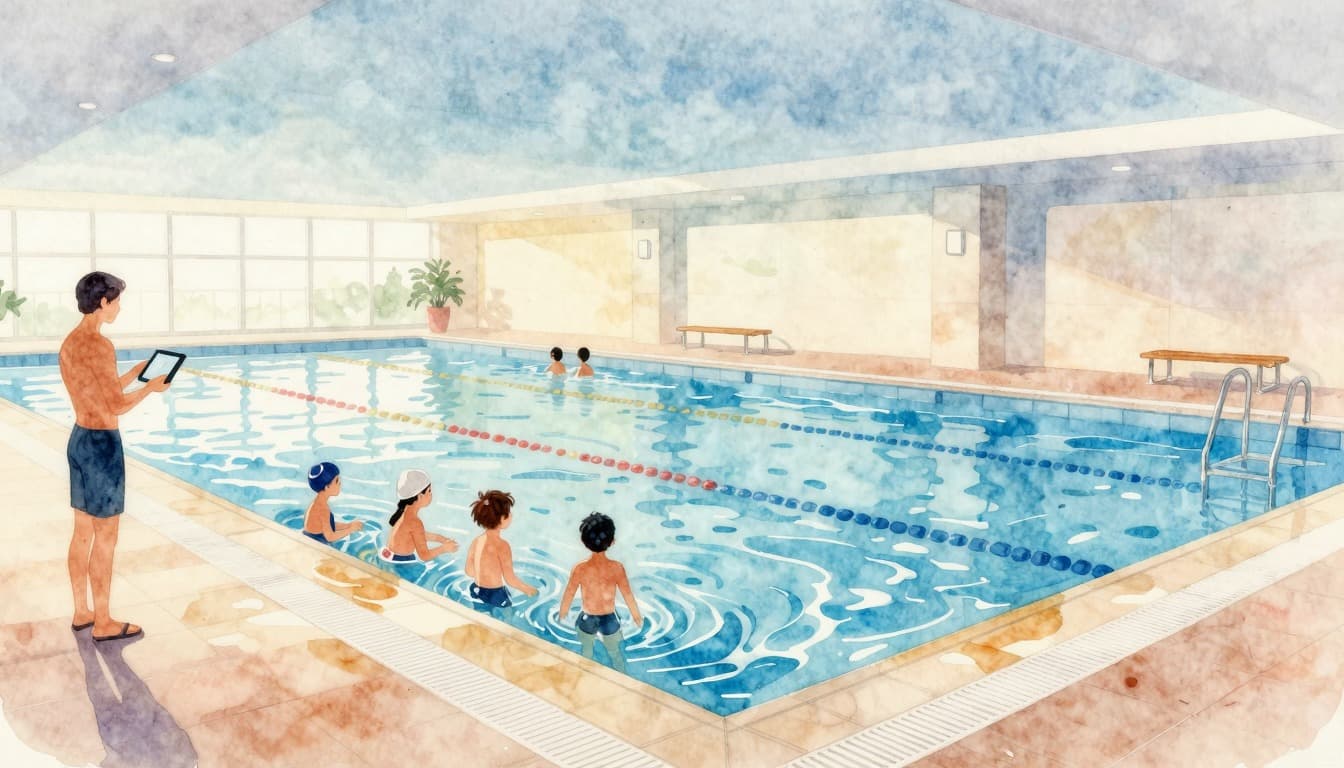
Complete overview of tools for swim instructors: independent and free
Overview of tools for swim instructors: student tracking system, lesson planning, and parent communication compared. Swimmigo offers everything free in one platform [2026]
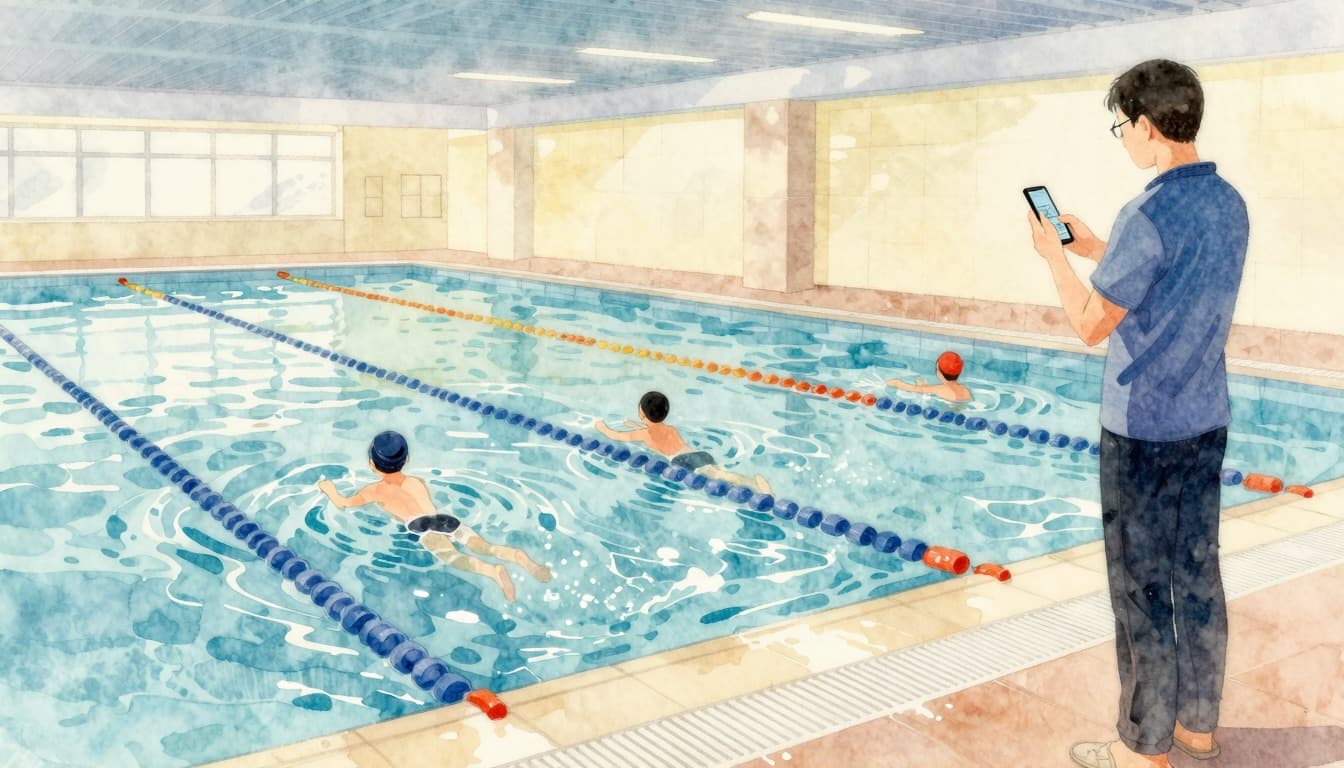
From Paper to Digital: How Swimming Instructors Easily Track Lesson Progress
Many swimming instructors waste hours on paper administration after each lesson. Discover how a free digital app helps you track scores, save time, and give parents real-time insight into swimming lesson progress.
Discover Swimmigo
The all-in-one app for swimming lesson progress. For parents, swim schools, and adult swimmers.