Effectively managing swim lesson groups and progress

Summary
- Adapted swim programmes and clear communication create inclusive lessons.
- Digital tracking systems record skills and support targeted feedback.
- Scheduling by age and level improves organisation and group allocation.
Manage swim lesson groups effectively with a structured approach, clear communication and a digital tracking system for group allocation, scheduling and lesson progress. This gives instructors and swim schools an overview when recording progress, organising lessons and informing parents.
These insights support efficient organisation and provide a clear view of development within swim lessons.
1. Organising swim lesson groups
Organising swim lesson groups requires clear criteria and a suitable group size. It is also important to take students’ swimming levels into account. Here you will find how to divide and structure swim lesson groups effectively.
Criteria for grouping
When dividing swim lesson groups, several criteria are important. Age matters, because children of similar ages often share similar motor skills. Swimming level is also an essential criterion to align the curriculum properly.
Behaviour and learning style can also influence group allocation, ensuring a safe and pleasant learning environment. It is sensible to evaluate regularly whether the grouping still fits.
Maximum number of students per group
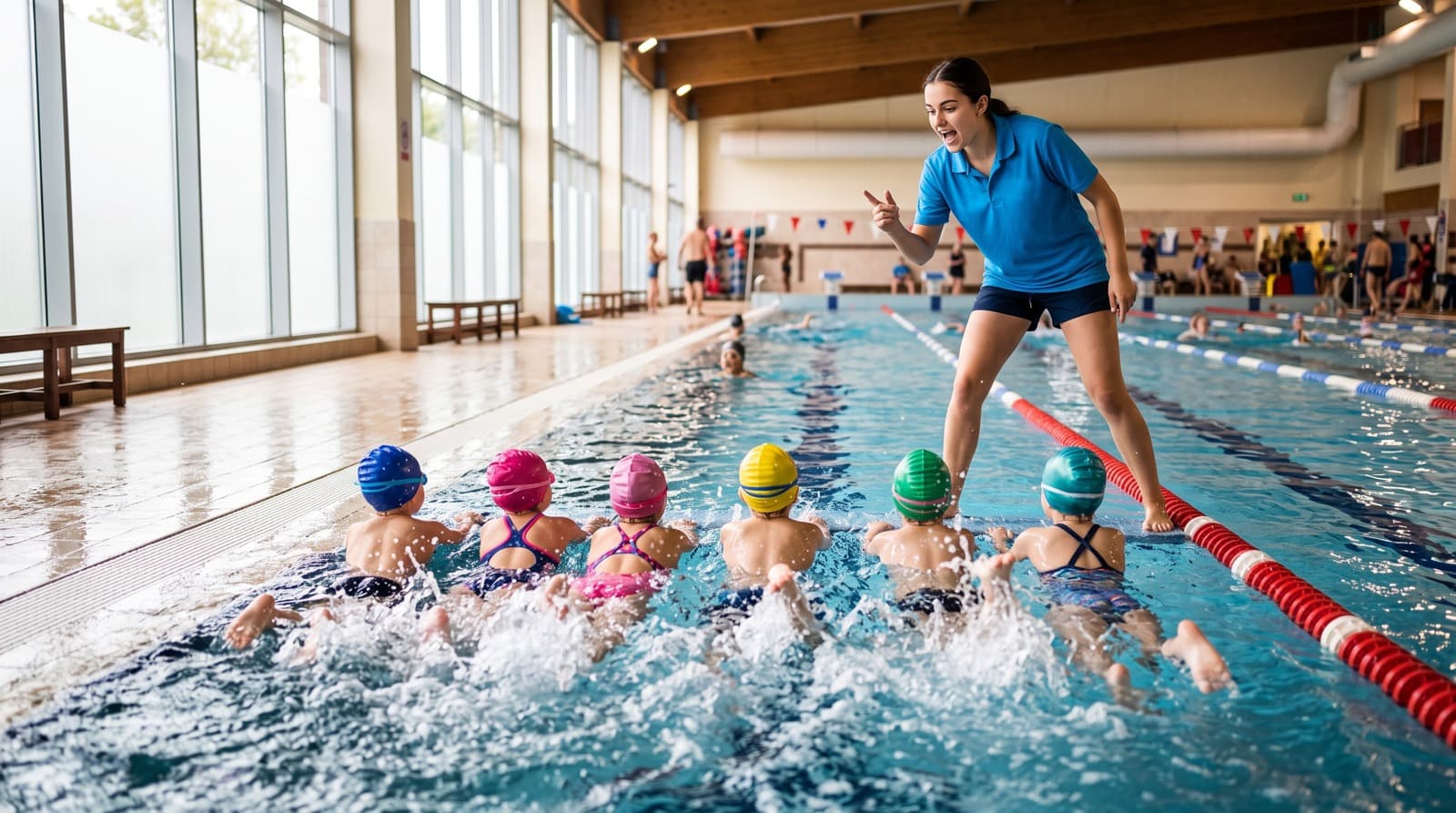
The maximum number of students per swim lesson group affects lesson quality. A group that is too large can result in less individual attention. For that reason, a limit of around 6 to 8 students per instructor is often used.
This group size makes it possible to closely monitor each student’s progress. Safety is also better ensured. Depending on age and level, this number can vary slightly.
Differentiation by swimming level
Differentiation by swimming level is essential for effective lessons. By forming groups based on skills, instructors can give targeted exercises. This prevents students from becoming bored or overwhelmed.
One group can focus on improving freestyle, while another works on water safety. Differentiation improves motivation and speeds up progress, but it requires a good assessment of levels when grouping.
What is Swimmigo?
Swimmigo is an independent app that lets you track, assess and celebrate swimming progress, whether you are a parent, adult learner or instructor. You are not dependent on the swim school, but keep control yourself.
For parents the app offers a clear learning path of 7 levels (from Red to Gold) with 86 exercises. You evaluate each exercise with a simple scoring system (0 to 6) and receive a personal swimming certificate for each completed level. This shows at a glance where your child stands and what still needs work.
Adults who want to learn or improve use Swimmigo discreetly and without group pressure. The app provides structure, breaks the learning process into manageable steps and helps overcome insecurity. You train at your own pace, when it suits you.
Swim schools and instructors use Swimmigo completely free as a digital system for student administration, schedules and progress. Parents see their child’s development in real time, without extra work for you. A handy Marketing Toolbox also helps you create professional flyers, social media posts and certificates.
2. Keeping track of student progress
Tracking students’ swimming skills is essential for structured progress. Digital tracking systems provide an overview and make it easier to record achievements. Regular feedback to parents and students also helps increase involvement and motivation.
Recording swimming skills
Recording swimming skills starts with logging achieved certificates and specific techniques. For example, note per lesson which skills a student masters, such as floating, breathing or a particular stroke.
By keeping this data systematically, a clear picture of individual development emerges. This helps instructors give targeted attention to weaknesses. Swimmers can also see their own progress, which is motivating.
Using progress systems
Modern progress systems provide a digital environment where all data is stored centrally. Such a system makes it possible to easily generate reports and compare progress per student or group.
Instructors can also quickly spot which students need extra support. Using digital tools prevents administrative errors and saves time. For swim schools, this is an efficient way to safeguard quality.
Feedback to parents and students
Regular feedback to parents and students strengthens communication and involvement in the learning process. This can be done via digital reports, emails or short conversations after class.
By clearly communicating which skills have been achieved and what still needs work, parents better understand their child’s development. This also encourages practice at home and setting realistic goals. That creates a positive collaboration between swim school, instructor, student and parents.
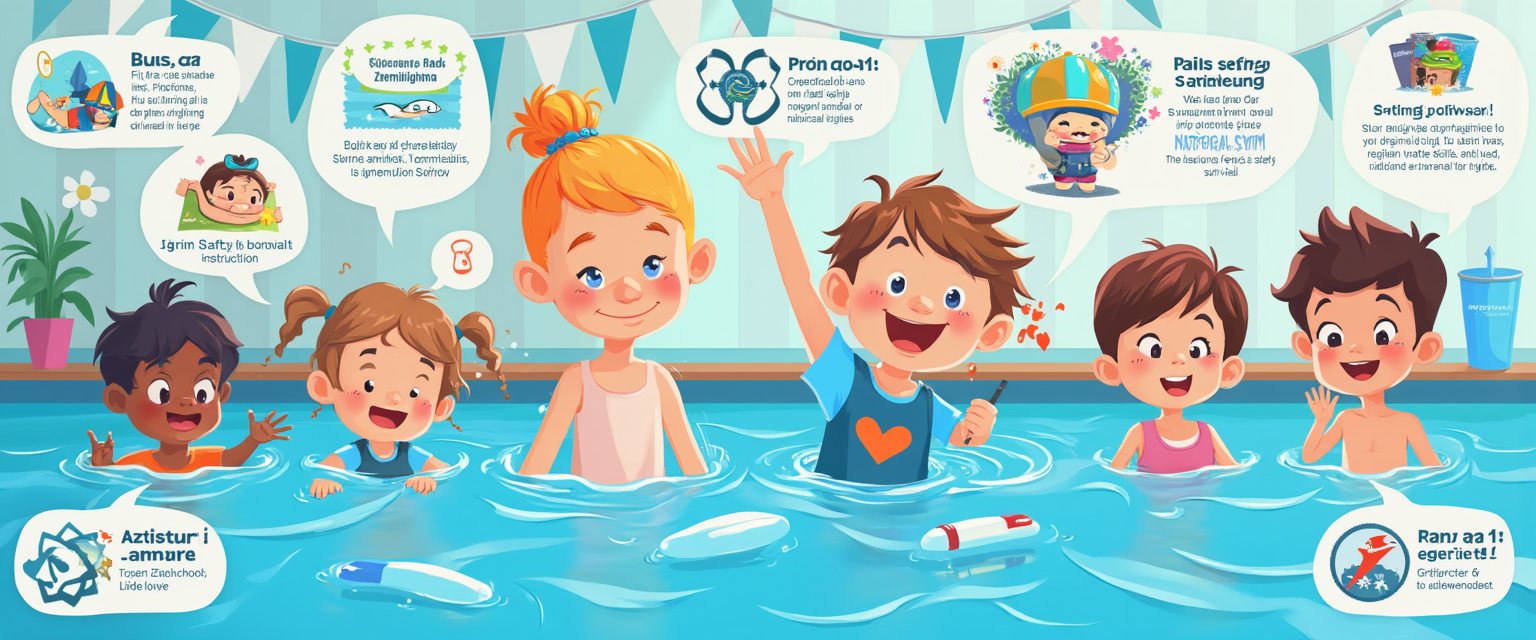
3. Managing the scheduling of swim lessons
Good scheduling of swim lessons is essential for lessons to run smoothly.
This section covers aligning the timetable with different groups, tracking attendance and absence, and maintaining flexibility in the schedule.
That way swim schools and instructors can work efficiently and provide clarity to parents and students.
Aligning the schedule with groups
Aligning the lesson schedule with the different groups requires insight into group composition and available times.
By taking ages and swimming levels into account, lessons can be scheduled more effectively.
For example, schedule younger children in morning hours when they are often more alert.
Keeping regular lesson times also helps, so parents and students know what to expect.
Tracking attendance and absence
Tracking attendance and absence is important for overview and lesson progress.
Digital systems can support this by quickly showing who is present and who is not.
That makes it possible to reschedule or make up lessons in time, and prevents students from falling behind.
Instructors can also respond better to group dynamics and individual needs.
Flexibility in scheduling
Flexibility in scheduling is necessary to handle unexpected situations, such as illness or holidays.
A flexible timetable allows lessons to be moved without disrupting the entire schedule.
Parents and students can more easily keep up with lessons despite changing circumstances.
Digital tools help implement these adjustments clearly and quickly.
Swimmigo · For swim schools
Run your swim school fully digital
Students, schedules, absences and parent communication in one app, with your own rates and branding.

4. Communication within swim lessons
Effective communication is essential within swim lessons to keep everyone well informed and supported.
This section covers how parents and students are kept up to date, how instructors collaborate and the role of digital communication.
That creates a clear and coherent picture of progress and organisation within swim lessons.
Informing parents and students
Parents and students receive regular updates about progress and the lesson programme.
This can be via newsletters, personal conversations or progress reports that show acquired skills.
Clear information helps parents understand what their child is learning and which goals are set.
For example, sharing tips for practicing at home increases involvement and supports learning.
Collaboration among instructors
Instructors coordinate on lesson content and individual focus points.
Regular meetings ensure a consistent approach and make it possible to guide students purposefully.
They can share experiences and implement improvements in teaching methods.
Good collaboration prevents misunderstandings and promotes a positive learning environment for swimmers.
Use of digital communication
Digital communication offers practical ways to share information quickly and clearly.
Via apps or online platforms parents can follow progress and contact instructors directly.
Reminders for lessons and timetable changes can also be sent easily.
This increases transparency and makes managing swim lessons more efficient.
5. Inclusion and special support
Here you can read how swim lesson groups can accommodate children who need special support. Attention is given to adapted swim programmes and alternative certificates. Practical aids and support that promote inclusion are also discussed.
Adapting for children with special needs
Children with special needs often require an adapted approach in lessons. This may mean instructors adjust pace and exercises to the individual level. For example, a child with a motor impairment may need more time to build water confidence. The goal is for everyone to make progress in a safe and positive way.
Clear communication with parents about possibilities and expectations is important. Flexibility in teaching methods allows children with diverse needs to join regular groups or smaller, specialised groups. This boosts confidence and swimming skills.
Alternative swimming certificates
For children who cannot obtain the standard Zwem-ABC certificates, there are alternative National Swimming Certificates. These certificates are specifically developed for children with temporary or permanent limitations. They provide an adapted route to water safety, with realistic goals that match the child’s abilities.
These certificates recognise important swimming skills and water familiarity, even if the full diploma is not achievable. This keeps learning to swim inclusive and motivating. Swim schools can use these certificates to offer tailored solutions without compromising on teaching quality.
Support and aids
Support and aids play an important role when guiding children with special needs. Think of using adapted flotation aids or modified teaching materials. Additional support from specially trained instructors can also facilitate learning.
Working together with parents and possibly other caregivers is useful. That creates a coordinated approach that matches the child’s needs. Digital tracking systems can help monitor development accurately and adjust where necessary.

Summary
Summary
The first chapter discusses the importance of adapted swim programmes for children needing special support. Flexible teaching methods and good communication with parents create inclusion and progress.
The second chapter focuses on effective communication. Parents and students receive regular updates about swim lesson progress through various channels. This provides clarity and involvement.
Chapter three covers scheduling swim lessons. By aligning timetables with ages and levels, teaching runs smoothly and in an organized way. Fixed lesson times offer clarity to everyone involved.
The fourth chapter explains how a digital tracking system helps record swimming skills. This system makes it possible to monitor performance and give targeted feedback to parents and students.
The last chapter discusses grouping swim lesson students. Age, swimming level and learning style are important criteria for effective grouping. Regular evaluation keeps groups appropriate.
Why a digital tracking system helps
A digital tracking system provides an overview of swim lesson progress and makes recording skills simple. Instructors can teach more purposefully and swimmers can see their own development.
The system also supports lesson planning by giving insight into group composition and attendance. This promotes efficient organisation and better communication with parents.
You can try Swimmigo for free via swimmigo.com.
Sources

Bob van Soest
As an expert in operating sports facilities (such as swimming pools) and developer of, among others, Swimmigo.com, I am passionately committed to making swimming lessons simpler, more fun and more insightful for parents, swimming instructors and everyone who wants to learn to swim.
Frequently Asked Questions
Related articles
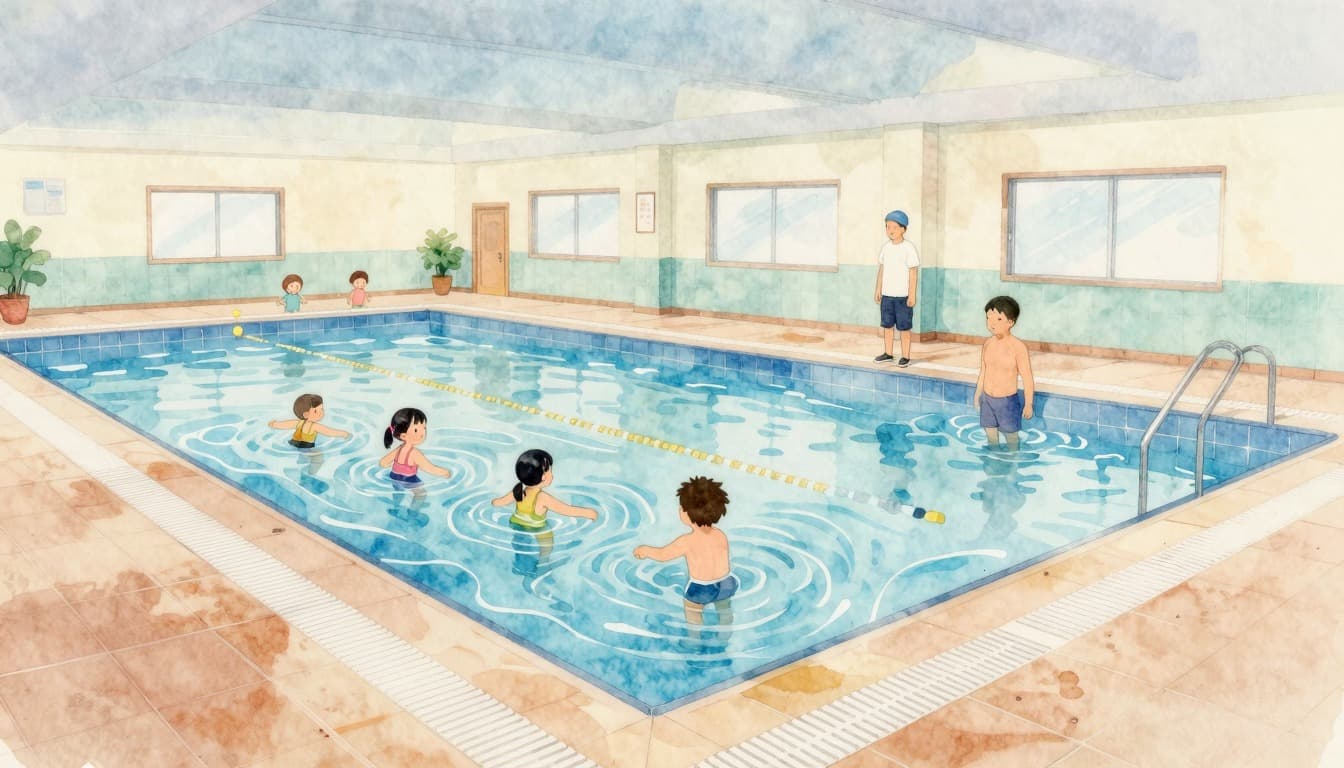
Swimming School or Swimming Instructor: Manage It All in the Swimmigo App
Progress, lesson planning, lesson payments, marketing, diplomas, and parent communication: manage all this with the Swimmigo app for swimming schools and instructors.
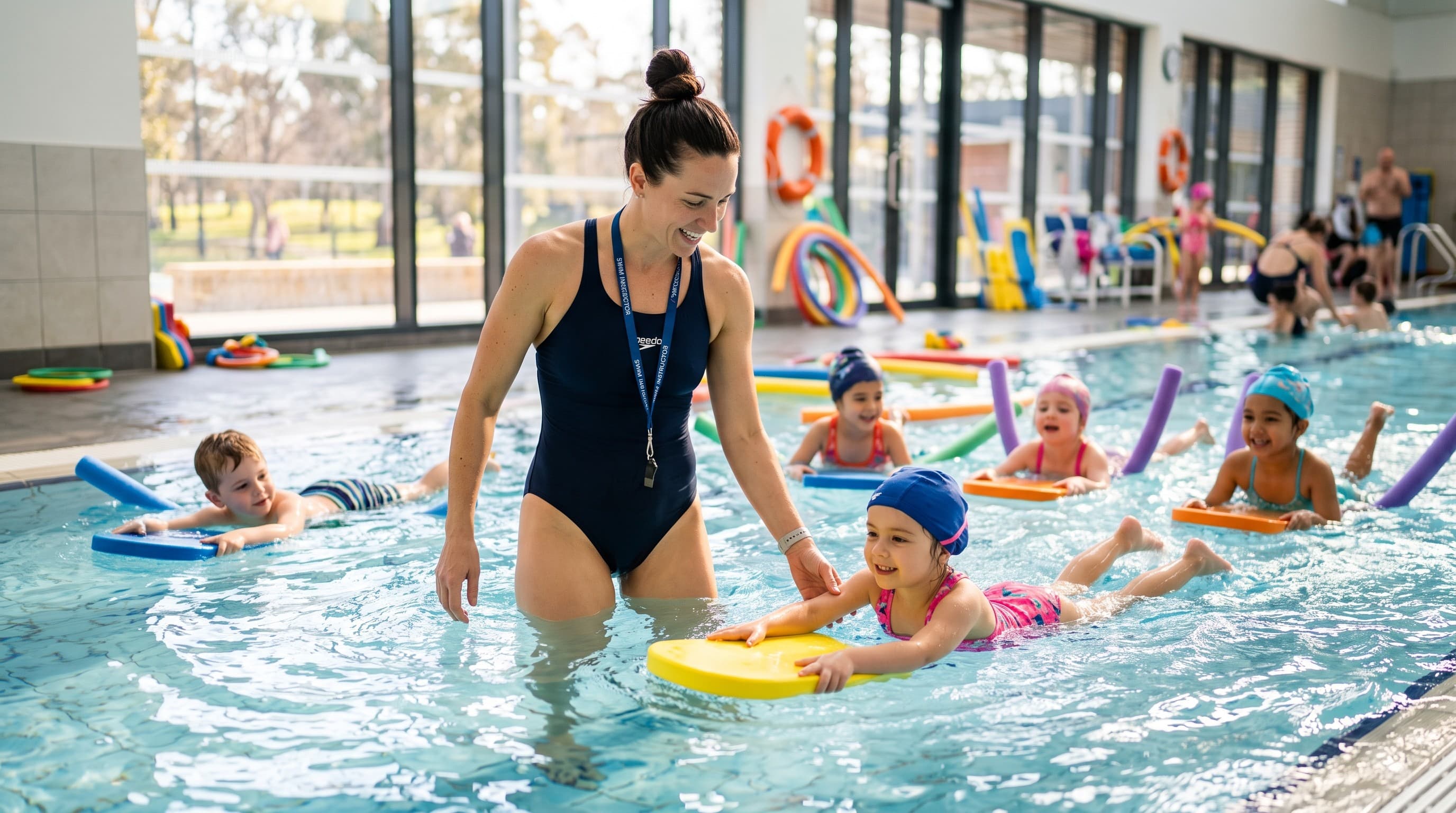
Starting your own swim school: how to do it without expensive systems
Want to start your own swim school? How to approach it: the real costs, the steps from day one, and how to start professionally without costly systems.
Finding and Retaining Swimming Instructors for Your Small Swim School
Pools and swim schools face a structural shortage of swimming instructors. Here’s how to find new instructors for your small swim school and keep them on board.
Discover Swimmigo
The all-in-one app for swimming lesson progress. For parents, swim schools, and adult swimmers.